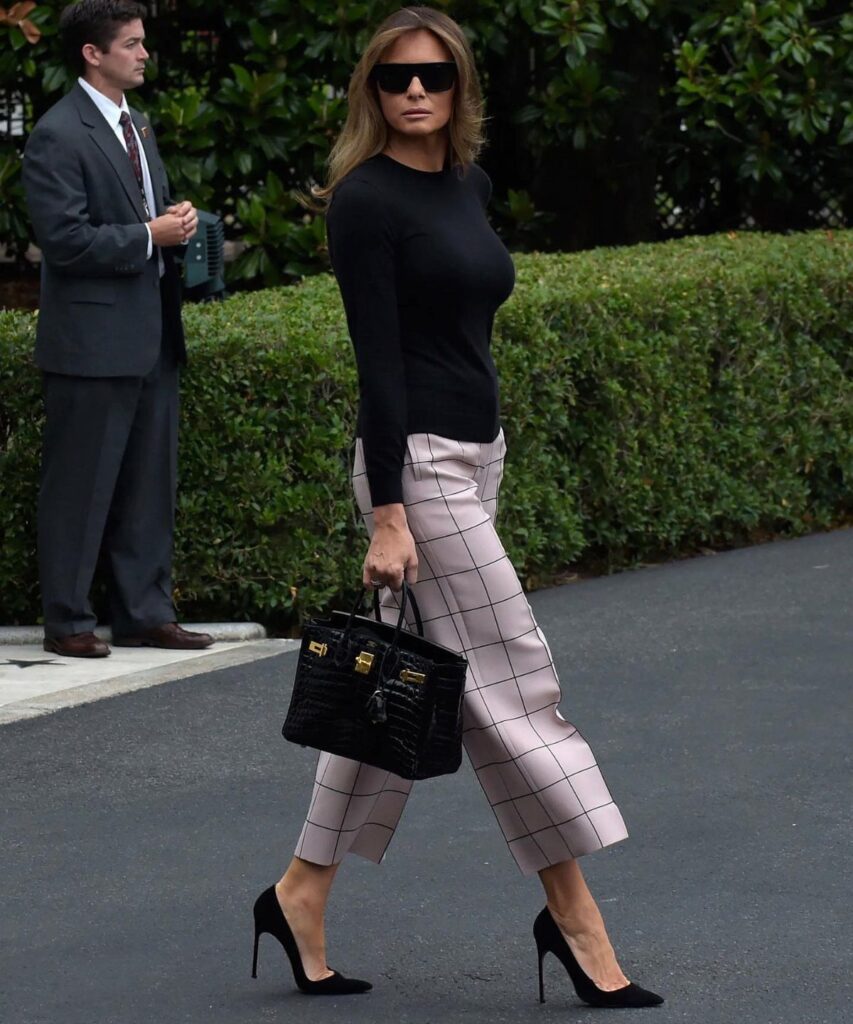
The span runs from a button-down shirt and jeans to a fitted evening gown worn off the shoulder.
A red belt on a white gown can change how it reads without altering the dress itself, and a sparkle belt lifts jeans and a shirt beyond everyday casual.
1. Tailored Items in Block Colors
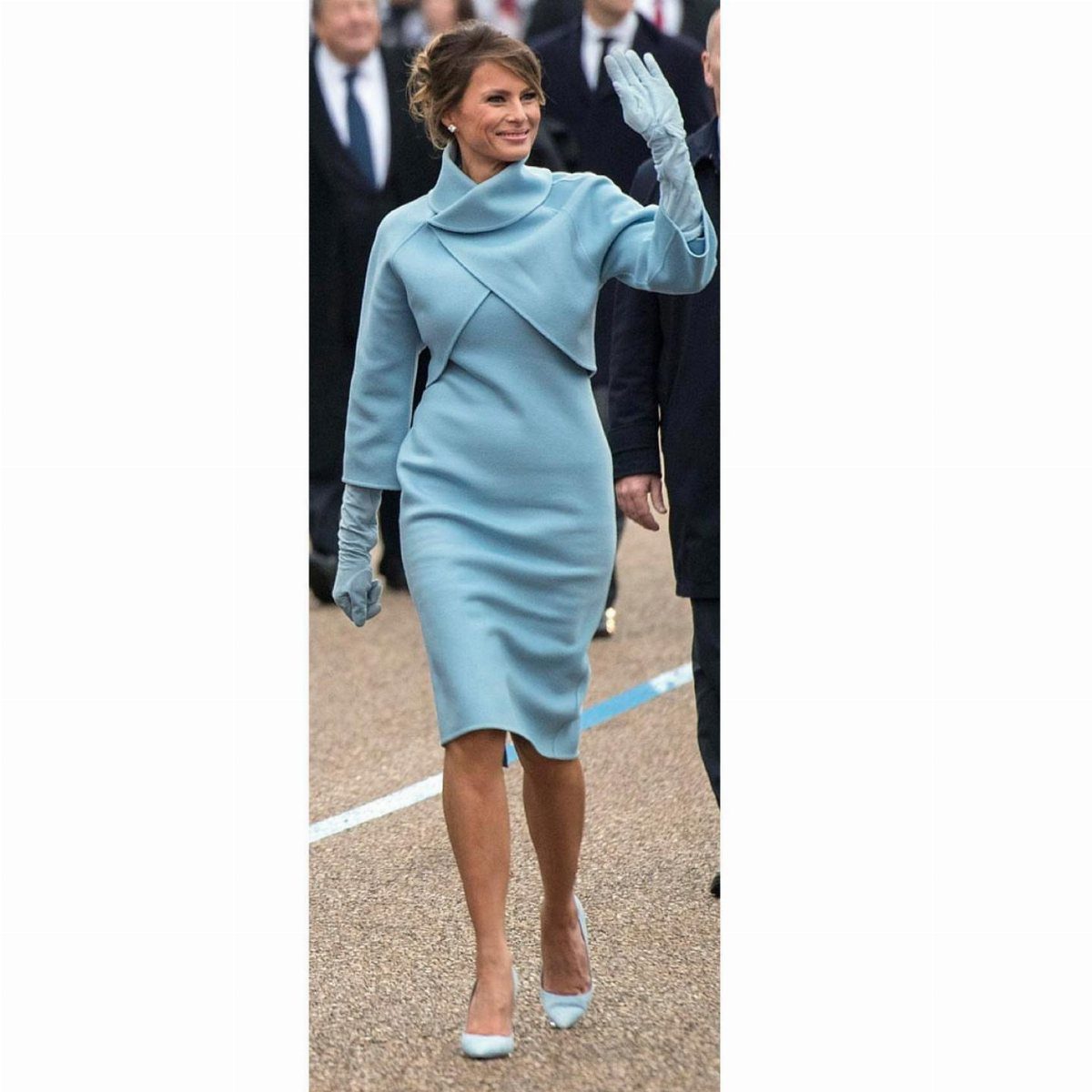
A fitted dress and matching jacket, both in the same solid pale blue, worn with gloves and coordinated heels. The monochrome approach keeps the focus on the tailored cut rather than pattern or print.
This works when the closet has a well-fitted dress and blazer in the same color family. The jacket can sit over the dress or be worn separately, giving you 2 outfits from the same pieces.
Pale blue reads formal without the stiffness of black or navy. The gloves add a classic finish that suits daytime events where you want polish but not sparkle.
2. Tweed and Cotton Fabrics
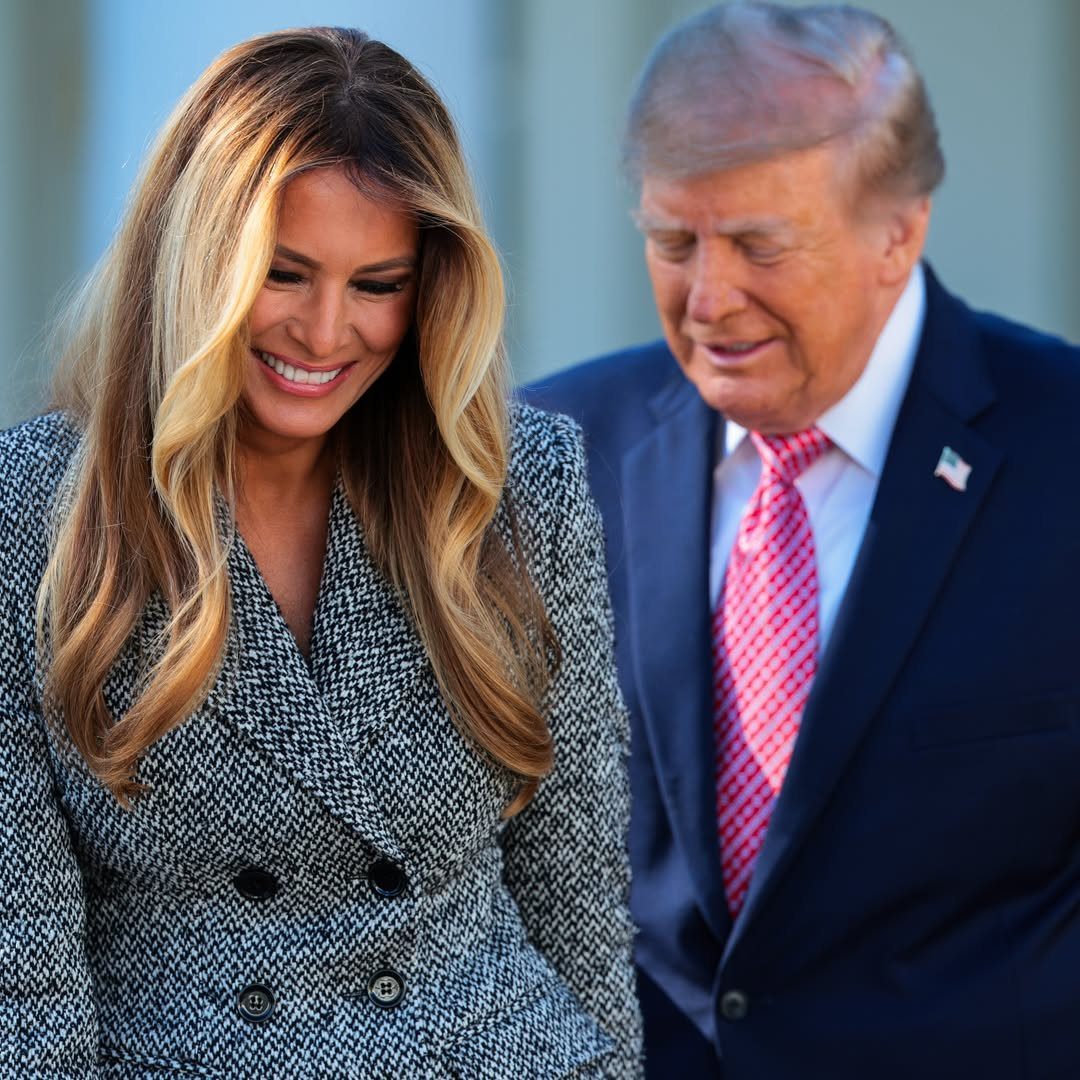
A structured coat in grey herringbone tweed, worn over a day outfit. The fabric holds its shape and reads as investment rather than trend.
Tweed and cotton both age well if the garment is cut properly.
Look for pieces with clean seams and a lining that sits flat. A grey tweed coat pairs with almost anything underneath, from jeans to a sheath dress.
The weight of the fabric matters.
Midweight tweed works for fall and early spring; lighter cotton weaves handle summer better. Choose whichever suits the season you wear it most.
3. Off the Shoulder Evening Gown
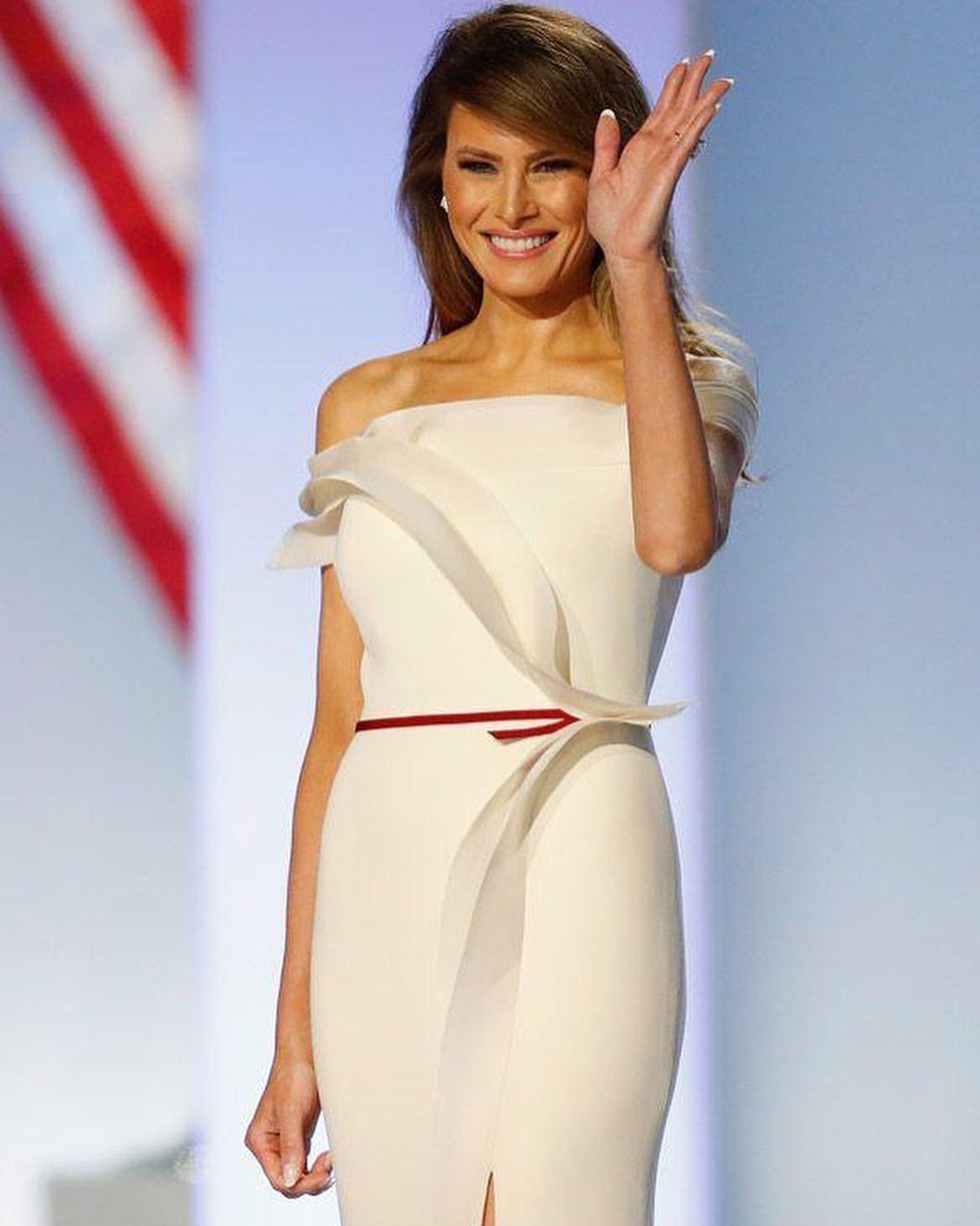
A fitted white gown with an off-the-shoulder neckline, cinched at the waist with a slim red belt. The silhouette is sleek and unembellished except for the belt, which adds a contrasting accent.
The off-the-shoulder cut suits evening events where the dress code leans formal but not strictly black-tie. It works best on straight or hourglass shapes, where the neckline sits evenly without shifting.
The red belt breaks up the white and draws the eye to the waist. If you already own a plain white gown, a colored belt is an easy addition that changes the look without altering the dress itself.
4. White Belted Dress with Hat
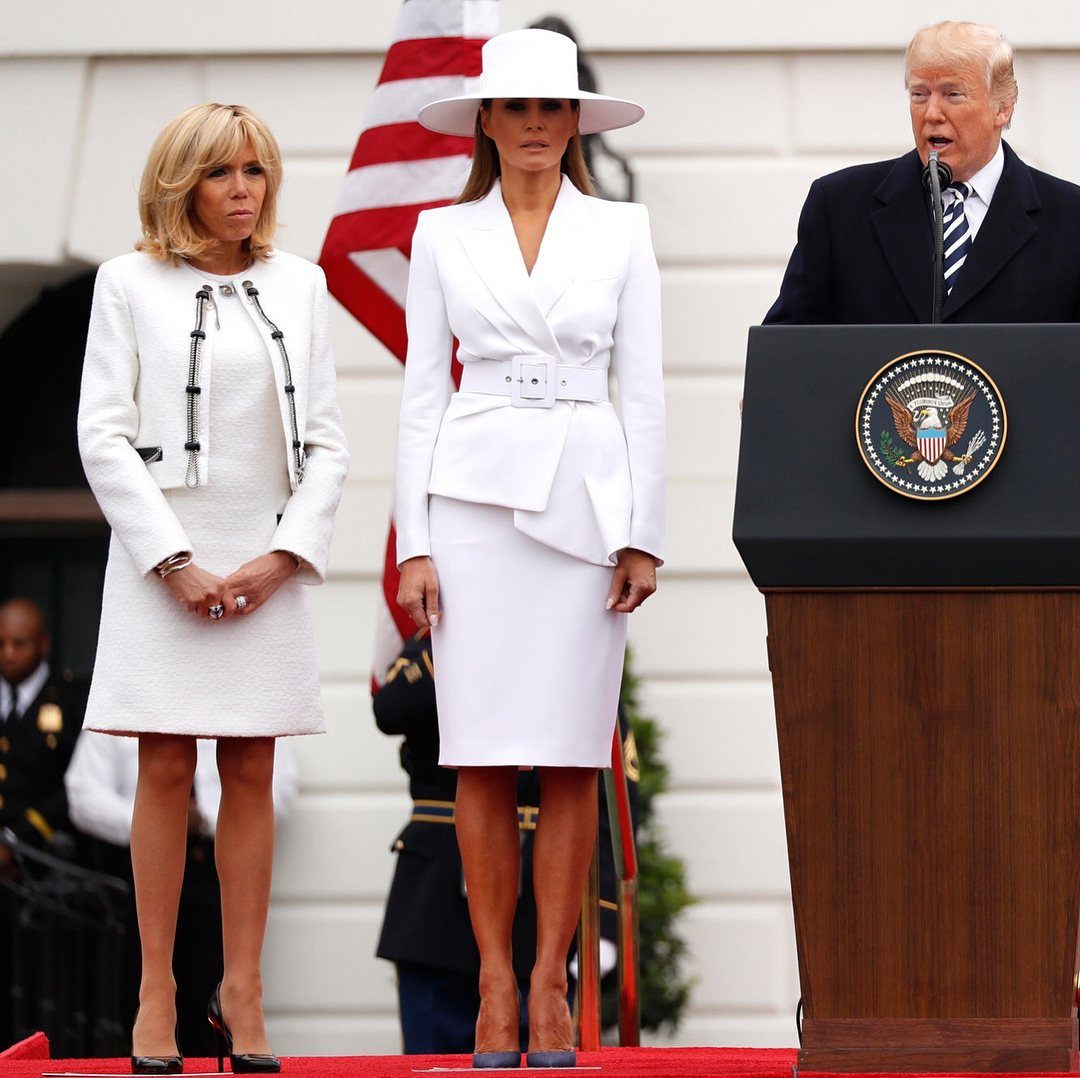
A belted white suit dress paired with a wide-brimmed hat in the same color. The dress is tailored through the bodice and cinched at the waist with a matching belt, while the hat adds structure and presence.
This works for outdoor daytime events where a polished look is expected. The hat serves a purpose beyond style: it provides shade and keeps the outfit from feeling too plain.
White can wash out lighter skin tones, so consider the setting and lighting. The hat balances the proportions and gives the outfit a finished quality that a dress alone would not.
5. Button Down Shirt and Jeans
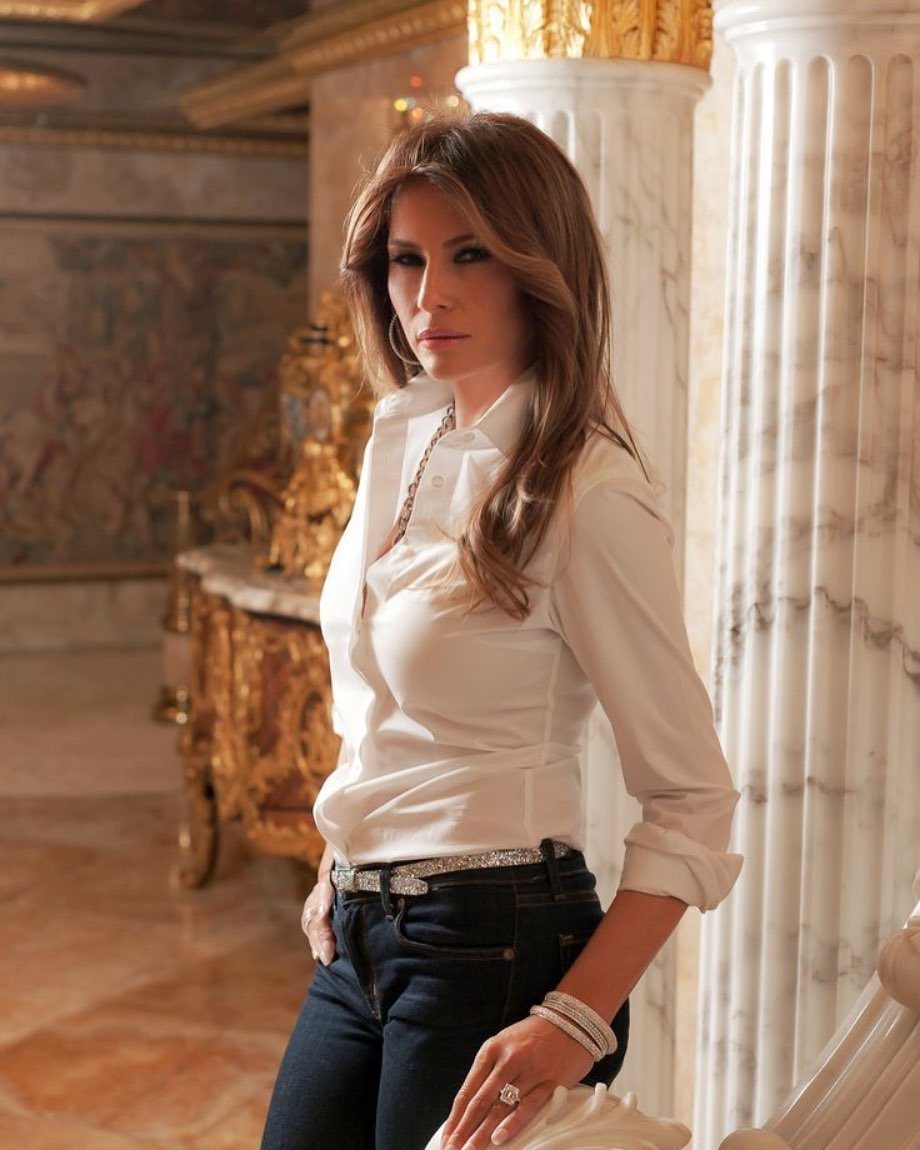
A white button-down shirt tucked into dark blue jeans, finished with a sparkle belt at the waist. The shirt is crisp and fitted, not oversized, and the jeans sit at a mid or high rise.
This is the simplest option on the list and the one that pulls from pieces most readers already own. The sparkle belt lifts the look beyond everyday casual without requiring a change of clothes.
Choose a belt with enough shine to register but not so much that it competes with the shirt and jeans. The shirt should be pressed; wrinkles read as careless rather than relaxed.
6. Navy Dress with Pearl Necklace
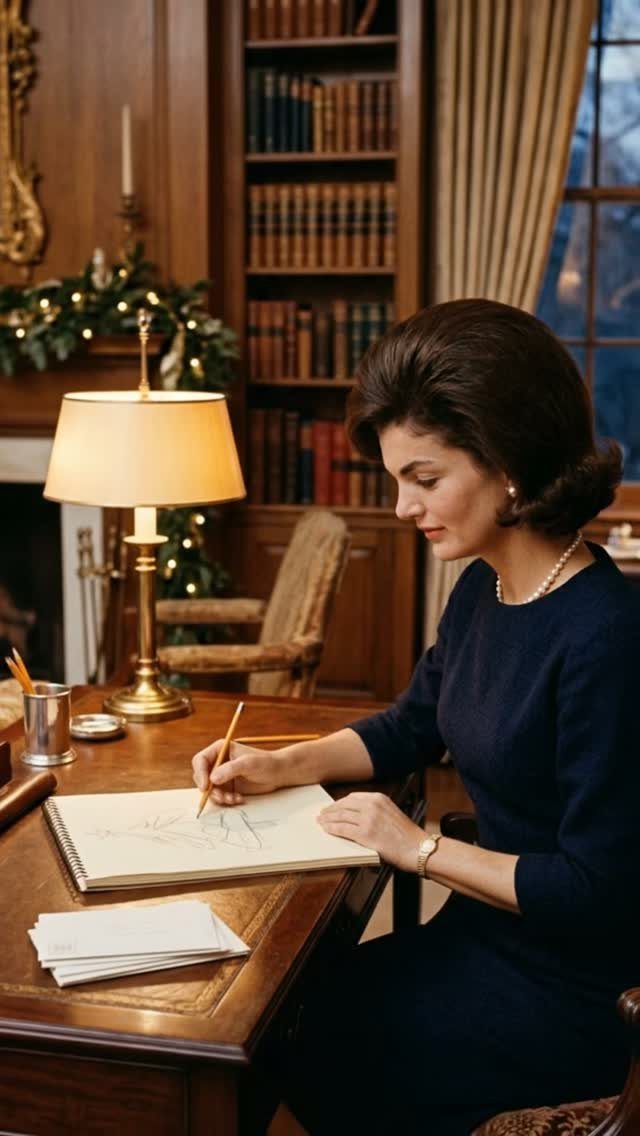
A long-sleeved navy blue dress in a simple silhouette, accessorized with a single strand of pearls. The dress has no pattern or embellishment, letting the cut and the necklace do the work.
Navy is easier to wear than black for daytime and pairs naturally with pearls without feeling overly formal. The long sleeves suit cooler weather and give the outfit a modest, classic line.
This works for professional settings, luncheons, or any occasion where you want to look put together without drawing attention. The pearls add a traditional touch that feels appropriate rather than dated.
First Ladies as Style Icons
First ladies have shaped American fashion for over 2 centuries, and their influence extends beyond Washington.
Jackie Kennedy made pillbox hats and A-line dresses part of the national vocabulary. Michelle Obama’s choice to wear J.Crew gloves at an inauguration sent a message about accessibility that other designers could not.
What they wore was never just clothing. Each outfit reflected both personal style and political strategy, often doing both at once.
Hillary Clinton’s pantsuits became shorthand for a particular kind of professional authority. The attention was constant, the scrutiny immediate.
People care what the first lady wears because she represents the country in social settings where appearance carries weight. That visibility makes her one of the most followed figures in fashion, regardless of her own interest in the subject.
Fashion Evolution Over Time
First lady fashion has tracked broader changes in how women dress and what those clothes signal.
Caroline Harrison made a point of wearing American-made fabric, aligning her wardrobe with her husband’s trade policy. A century later, Michelle Obama mixed high and low: a Jason Wu gown one day, J.Crew the next.
The role itself has changed. Early first ladies were expected to embody American society without overshadowing the president.
By the mid-20th century, Jackie Kennedy used fashion to signal cultural ambition, bringing European elegance into the White House. Power suits later became a way for women to signal authority in political office.
Designers now see inaugural gowns and state dinner dresses as career-defining work.
The White House has documented this history through a digital library that names the designers behind the most remembered pieces, acknowledging the collaboration between first ladies and the people who dressed them.
Cultural Significance of Outfits
An inaugural gown is read like a statement of intent. The fabric, the designer, the country of origin all carry meaning, whether the first lady intends it or not.
Caroline Harrison’s choice of American-made cloth was a policy position worn on her back. Jackie Kennedy’s European-influenced style announced plans to bring high culture into the White House.
The Smithsonian’s curator of political history notes that people feel entitled to an opinion on what the first lady wears because she represents American society at home and abroad.
That scrutiny has been constant since Martha Washington, though the stakes and the audience have grown.
An outfit can also reflect societal shifts.
Michelle Obama’s choice to wear J.Crew said something about approachability that a custom gown never could. The choice mattered because it aligned her image with everyday shoppers, not just those who could afford couture.
For more than a hundred years, the institution has worked to conserve and restore fashions worn by the first ladies. The National Museum of American History has lured museumgoers with its display of inaugural gowns since the galleries were set up in 1912.
— Vogue