
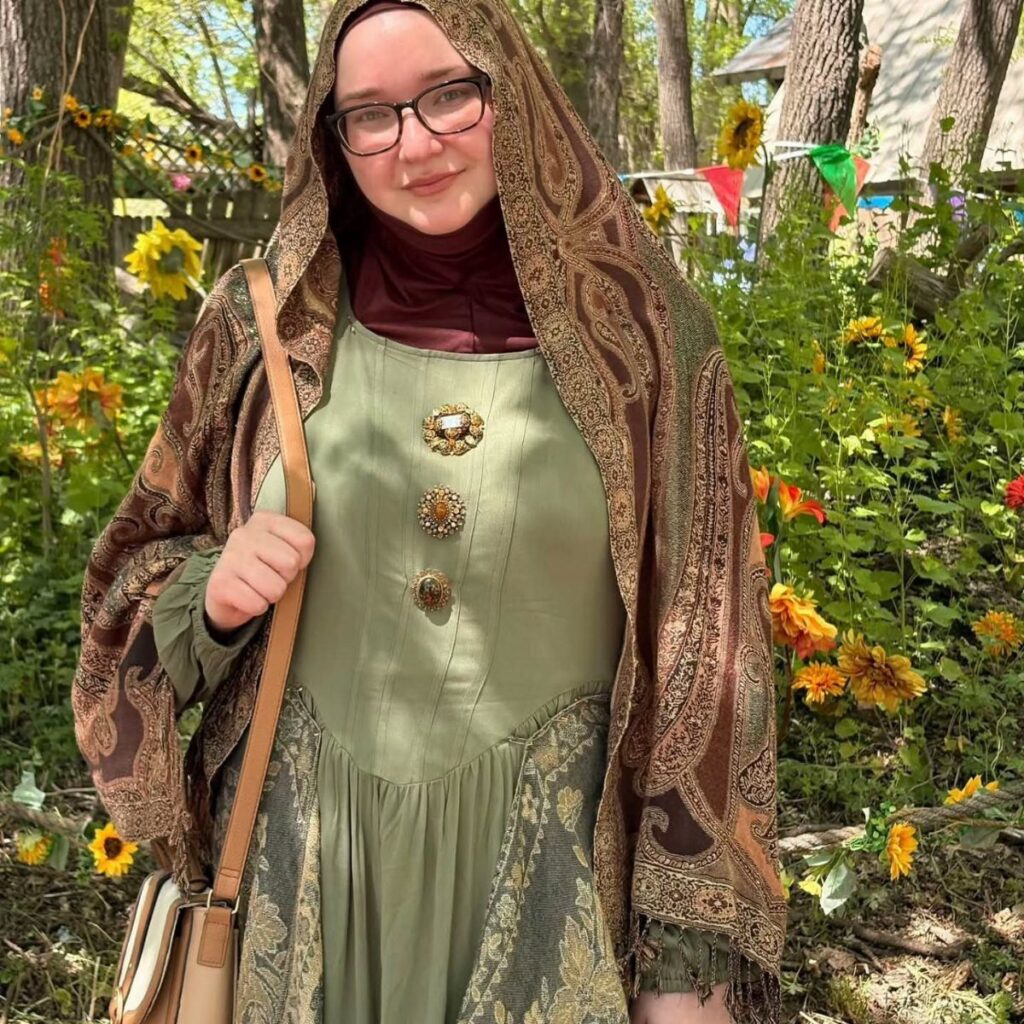
A Renaissance fair outfit can start with three pieces you already own, cost under fifty if you layer a peasant blouse and skirt, or run several hundred for a full maiden gown or royalty ensemble.
Your first decision is whether you want a peasant look that layers loosely, a fitted bodice you can lace tighter or looser as the day goes on, or a structured gown that holds its shape from morning through closing.
1. Basic Three-Piece Outfit
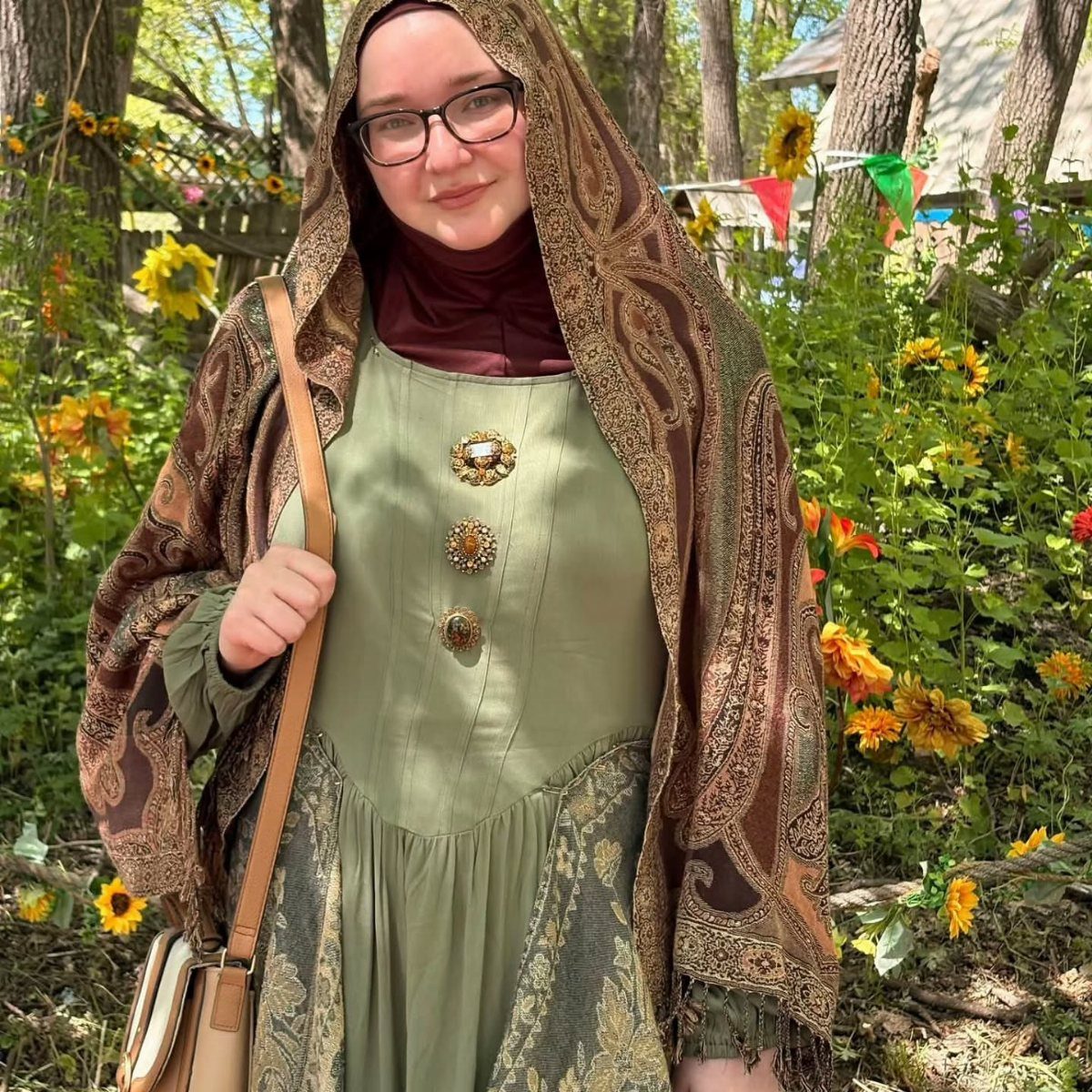
The skirt sits at your natural waist and falls to the ankle, the chemise shows at the neckline and sleeves, and the bodice laces over it to define your shape.
This combination works because each piece can come from a different source.
The chemise might be a white peasant blouse you already own, the skirt a solid cotton or linen piece you find secondhand, and the bodice something you make or buy from a costume shop.
Start here if this is your first fair or if you want something you can dress up or down depending on the event.
2. Peasant Outfit
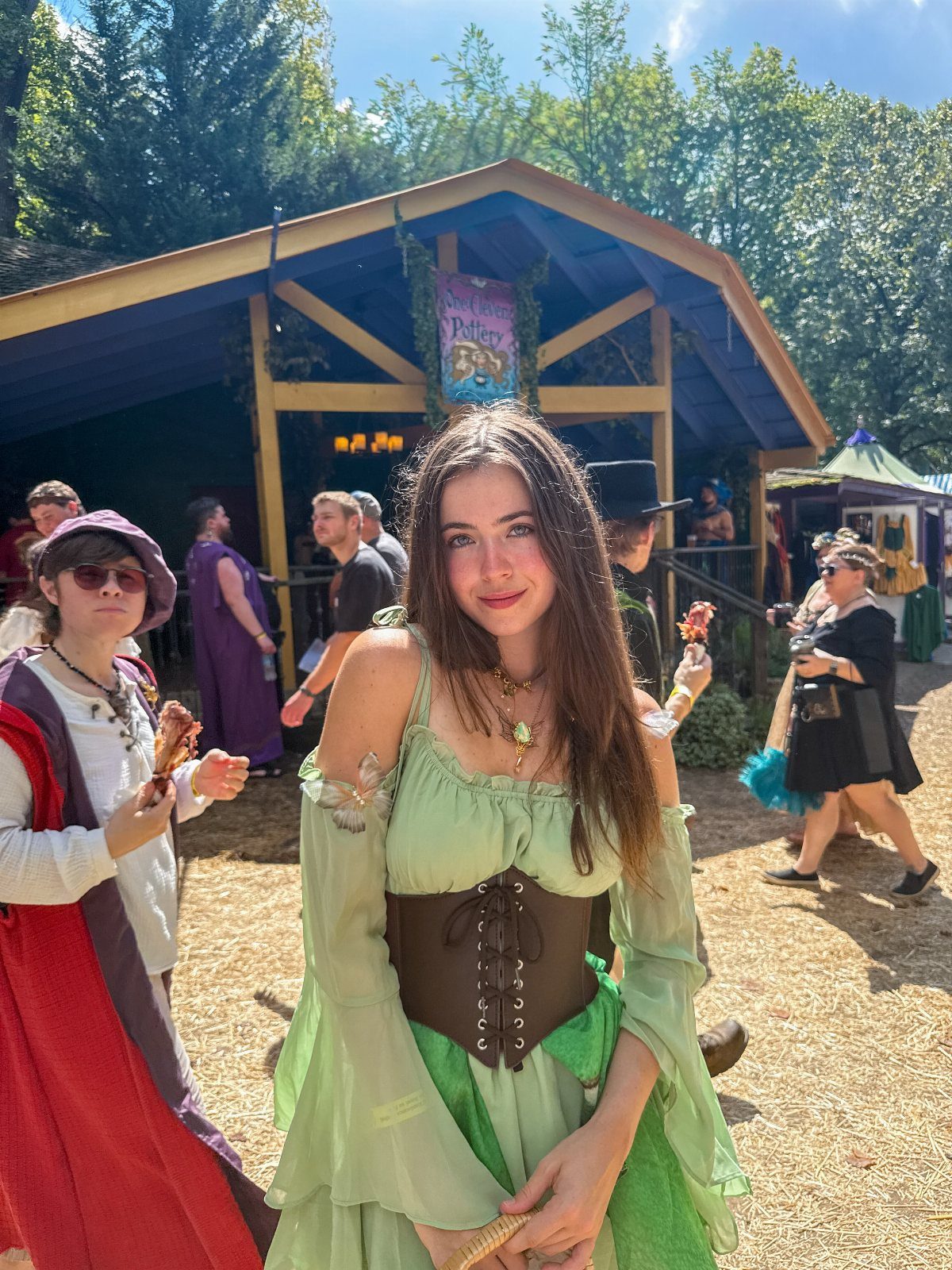
Loose fabric, an earthy palette, and visible lacing make this one of the most comfortable options on the list.
A peasant dress usually starts with a full skirt and a gathered bodice, both in natural colors like green, brown, or rust.
The corset laces over the bodice, and you can cinch it as tight or as loose as you need.
This outfit breathes in summer heat and moves with you when you are walking gravel paths or sitting on hay bales. A cotton or linen blend holds up better than polyester if you are wearing it outdoors for hours.
Pair it with flat leather sandals or boots, and add a simple belt or pouch if you need to carry anything.
3. Renaissance Fairy Costume
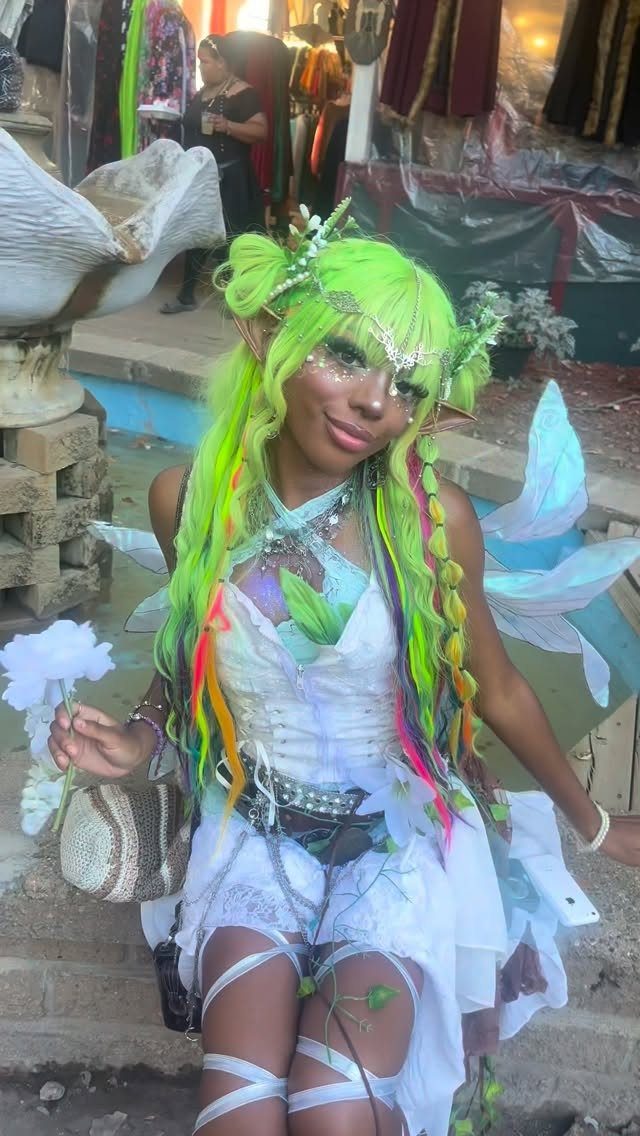
Wings, pastel layers, and a floral crown turn a basic Renaissance look into something lighter and more playful. The dress here has a white base with a green overskirt, and the wings add height and movement without much weight.
This works well if you want to stand out but don’t want to commit to a full period costume. The wings clip or strap on, so you can take them off when you need to sit or eat.
Choose iridescent or translucent wings if you want them to catch the light, and keep the dress soft and flowing so the wings stay the focal point.
4. Gypsy Flair
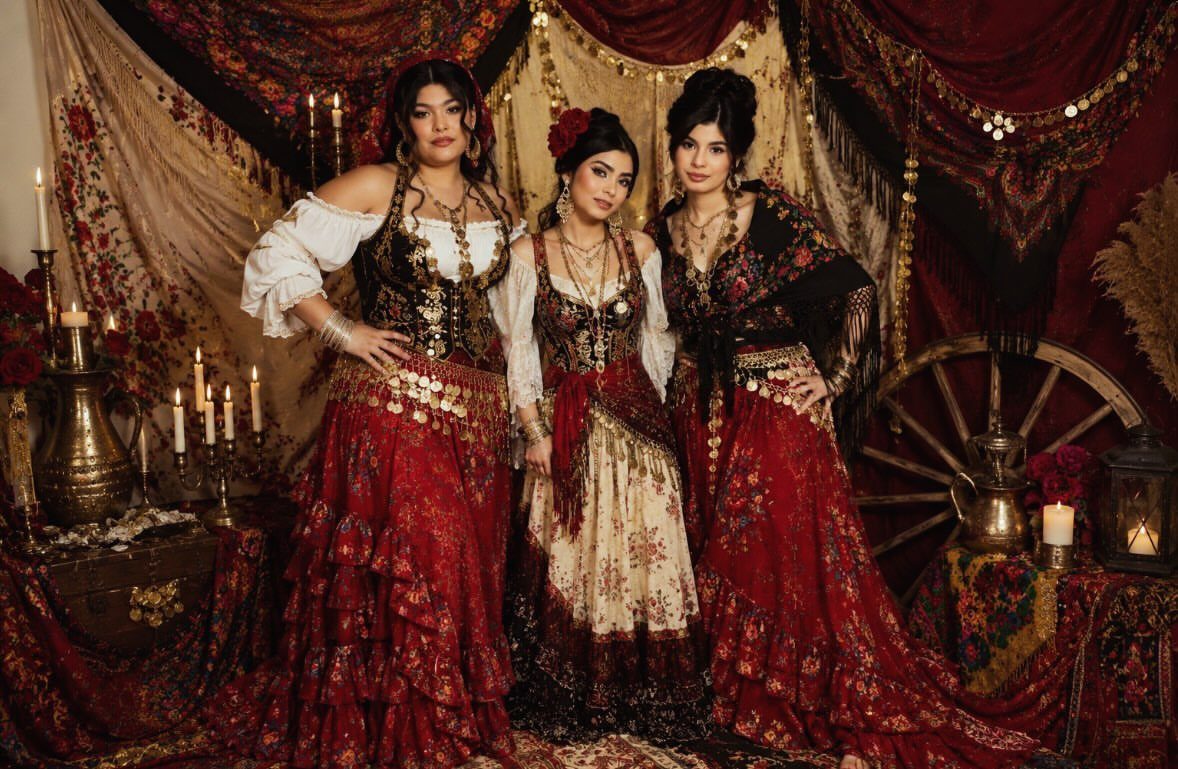
Layered skirts, bold prints, and stacked jewelry give this look its richness. The base is usually a full skirt in red, gold, or jewel tones, worn with a fitted bodice or vest that shows off the waist.
Add a patterned shawl, coin belts, and as many necklaces and bracelets as you can comfortably wear.
This costume gives you room to mix textures: velvet, satin, and lightweight cotton all work together if the colors stay warm. The volume comes from the skirt, so keep the top fitted enough to balance it.
Tie a scarf around your hips or drape one over your shoulders for extra movement.
5. Dark Sorceress Look

A statement crown and dark, dramatic fabric set this apart from the softer Renaissance looks. The dark sorceress look works if you want to look powerful rather than delicate.
Metallic crowns, chokers, and layered necklaces add weight and presence. The silhouette stays simple so the crown and jewelry do the work.
Choose fabrics that move: velvet, silk, or a lightweight knit that drapes across the shoulders. Keep the color palette narrow, usually one or two shades, so the focus stays on the crown and face.
6. Renaissance Lady Costume
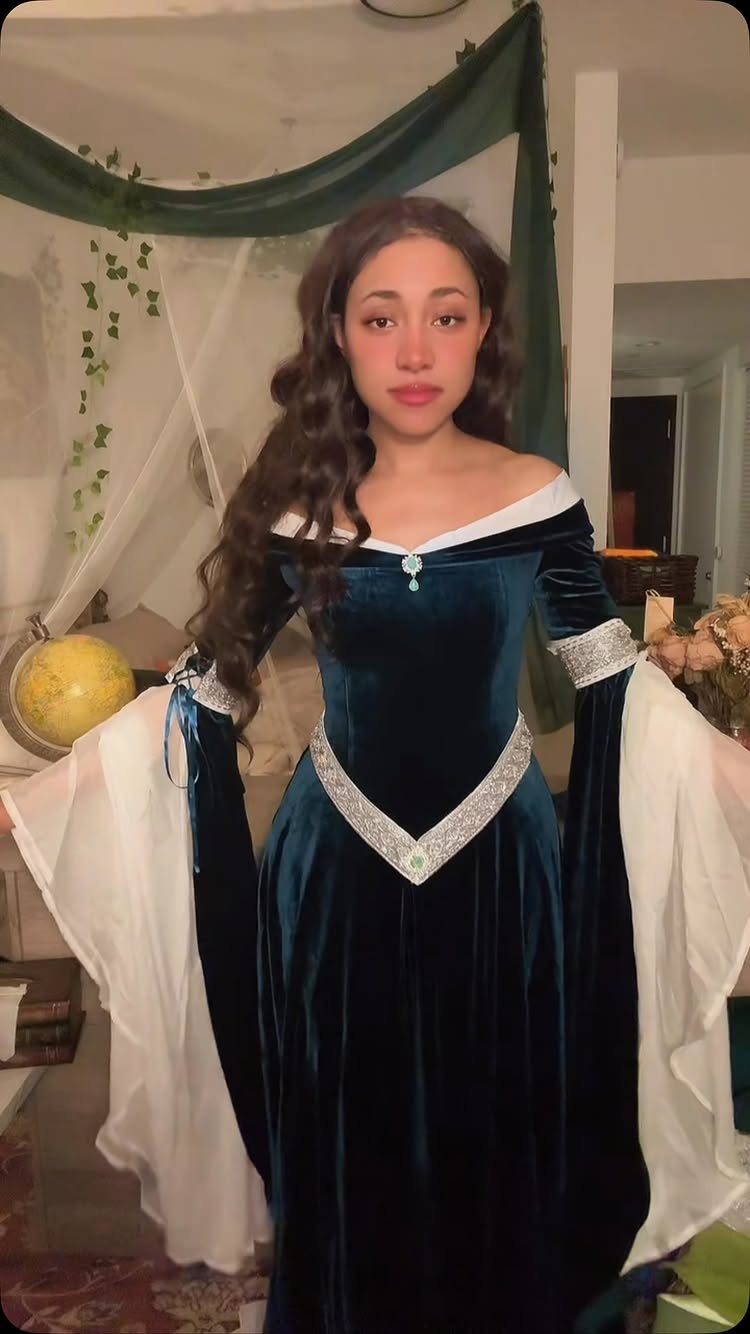
Rich velvet, long sleeves, and a floor-length hem make this dress feel formal and finished. Bell sleeves add drama without extra bulk, and the fabric falls straight from the shoulders.
This style suits cooler weather or indoor events, and it photographs beautifully if that matters to you. Velvet holds its shape better than lighter fabrics, so the dress looks structured even after hours of wear.
Pair it with simple jewelry and let the dress carry the look.
7. Women’s Renaissance Maiden Costume
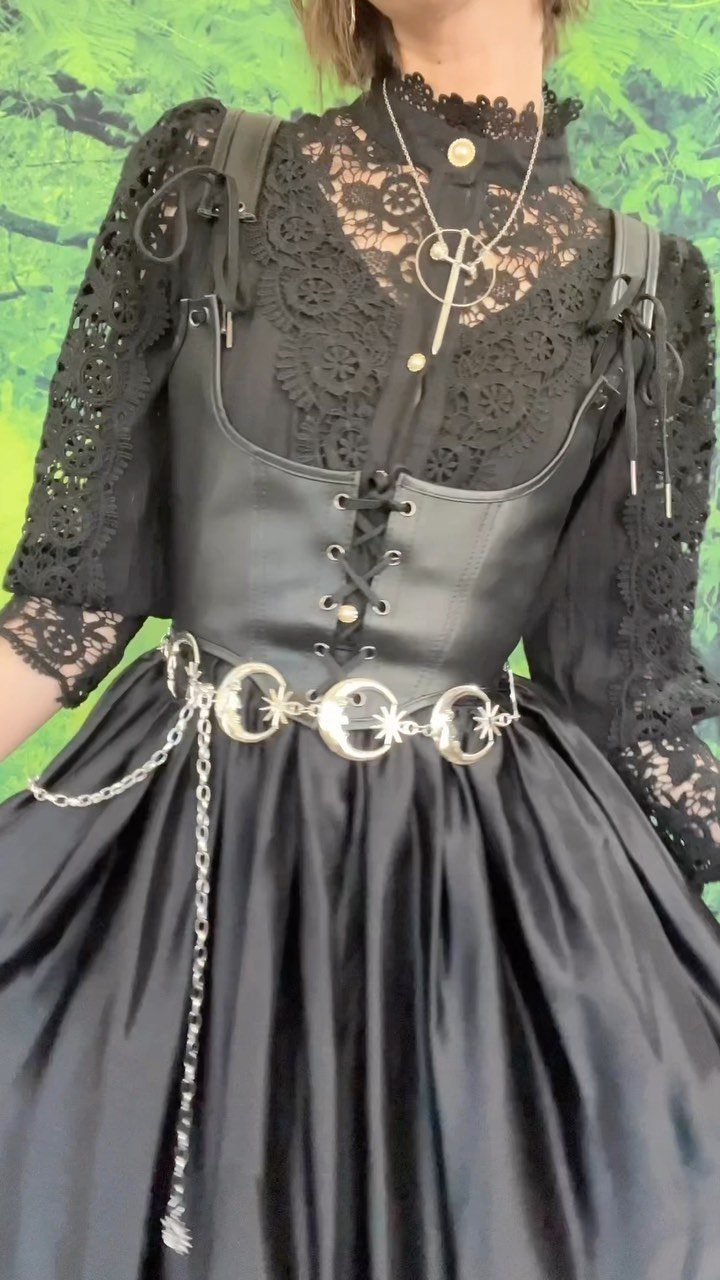
Black lace over a full skirt gives this look its drama without requiring velvet or heavy fabric.
The corset sits over the lace top rather than directly against the skin, which keeps the silhouette defined while letting the lace show at the neckline and sleeves.
The moon belt adds a celestial detail that sets this apart from a standard maiden costume. Leather or faux leather works better than fabric belts if you are carrying pouches or hanging accessories from it.
This outfit stays cooler than a full velvet gown but still photographs well in low light.
8. Renaissance Royalty
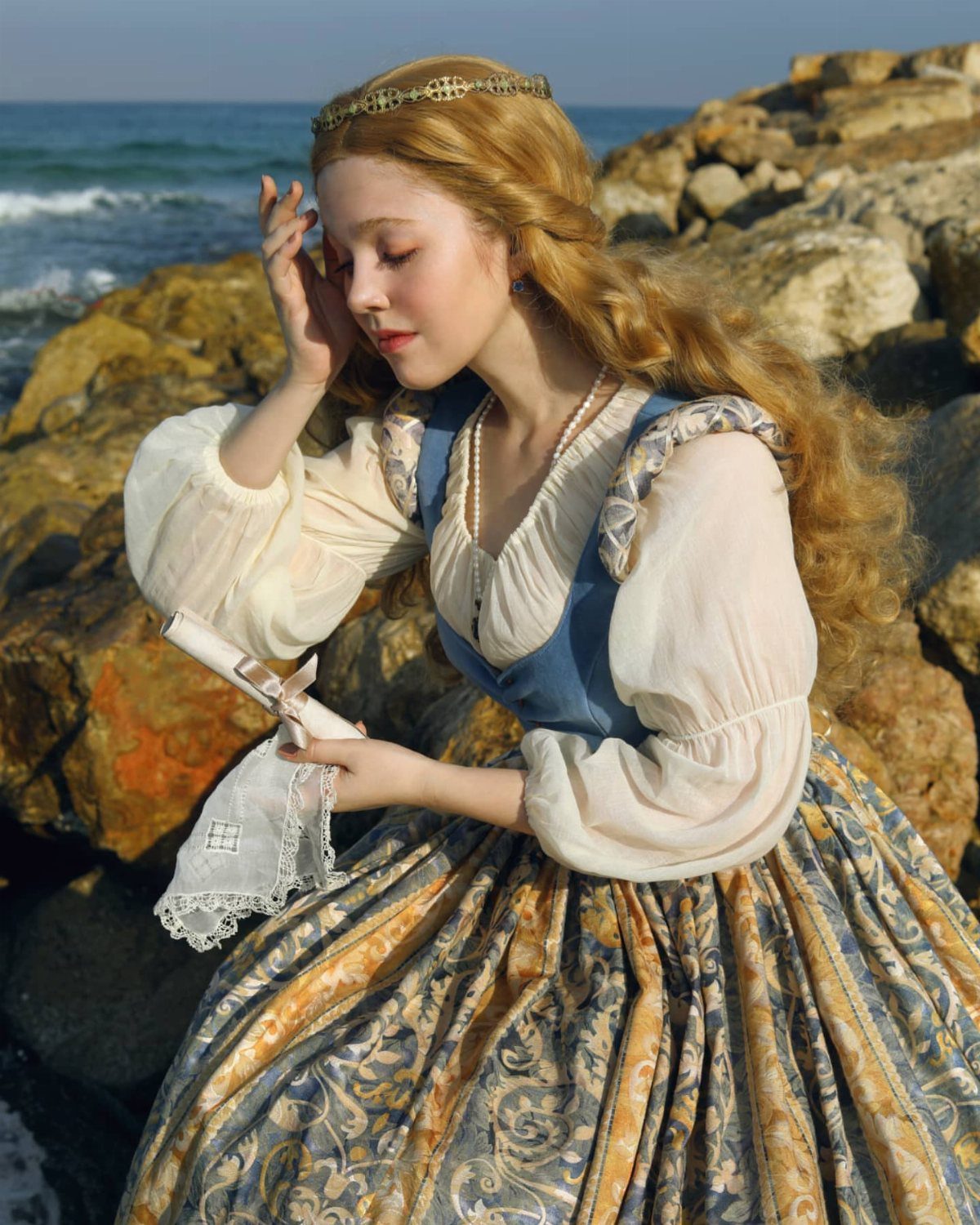
A gold crown and a fitted gown with structured sleeves put this at the formal end of Renaissance fair dressing. The silhouette here is clean and tailored, not layered, so the crown stays the focal point.
Choose a dress with a defined waist and full sleeves if you want the royal look without adding a separate bodice.
Brocade and satin hold their shape better than cotton, and they catch light in a way that reads as formal even from a distance.
Carry a scroll or handkerchief if you want a prop that fits the role.
9. The Perfect Pirate Frock
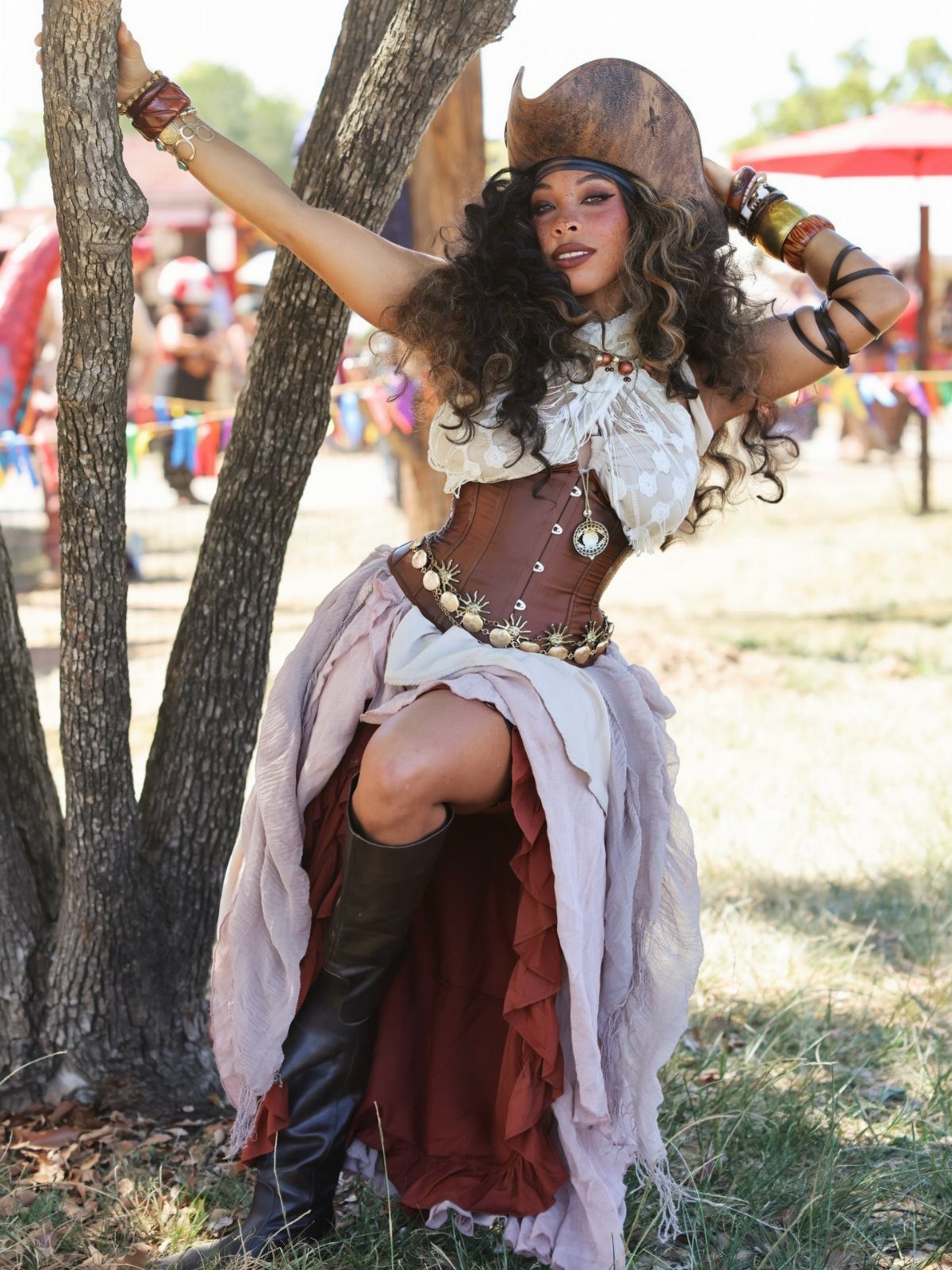
A tricorne hat, laced corset, and layered skirt give you the pirate silhouette without needing a full costume set. The hat is what sells the look, so choose one with enough brim to stay visible from the front.
The corset goes over a blouse or tunic, and the skirt can be any full cut in dark fabric. Add tall boots if you have them, or tie fabric strips around flat boots to give the same effect.
This outfit works if you want to move between Renaissance and pirate themes without changing everything.
10. Belts, Pouches, Crowns, and Jewelry
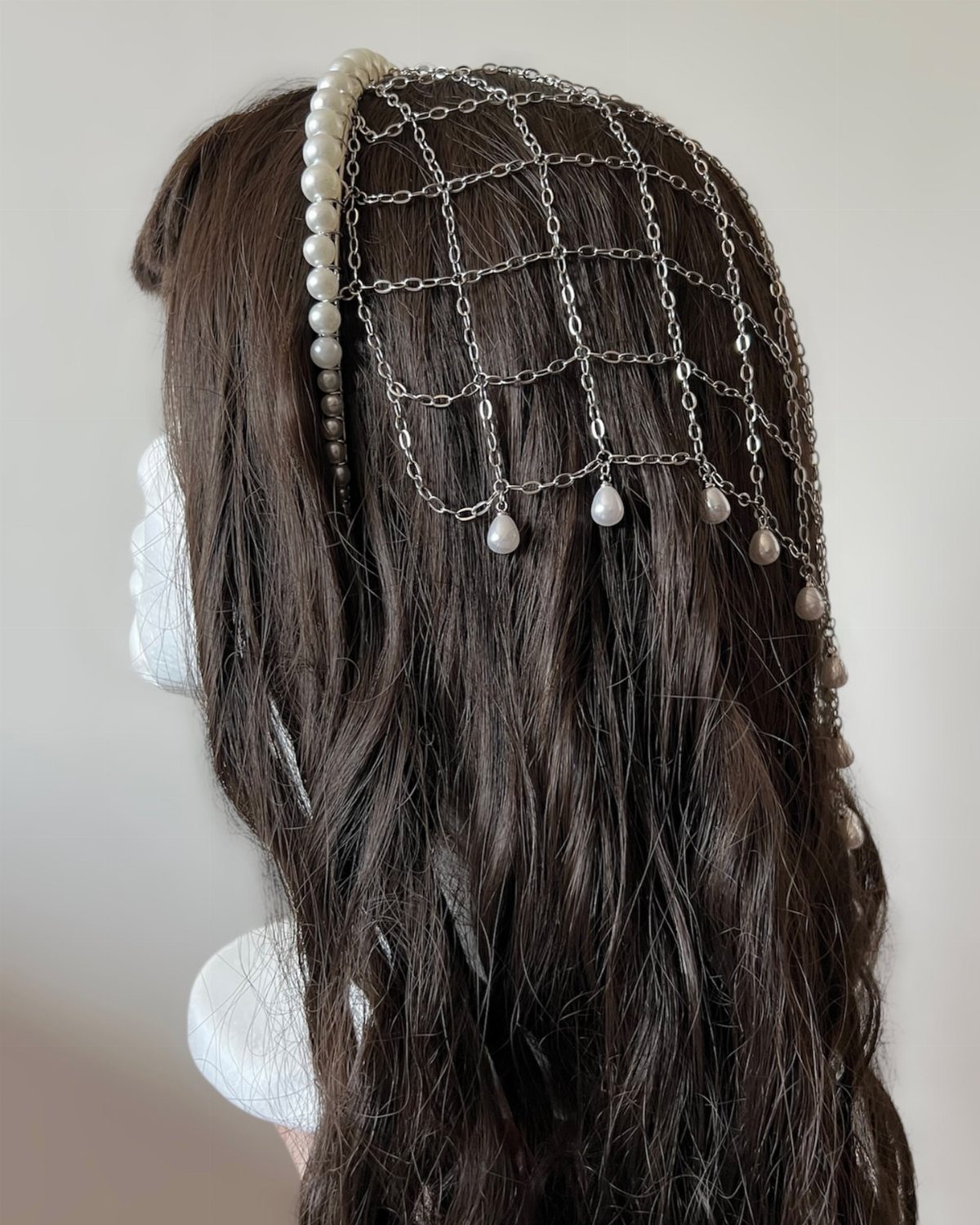
Chain headpieces, leather belts with metal rings, and layered necklaces add detail to a simple base outfit.
A chain hairnet like this one sits across the crown of the head and drapes down the back, held in place with pins or combs.
Pouches attach to belts and keep your hands free for food, photos, or shopping. Choose leather or canvas over fabric if you are carrying anything with weight.
Stack rings and bracelets, but keep earrings simple so the headpiece stays the focus.
11. Hooded Cloak
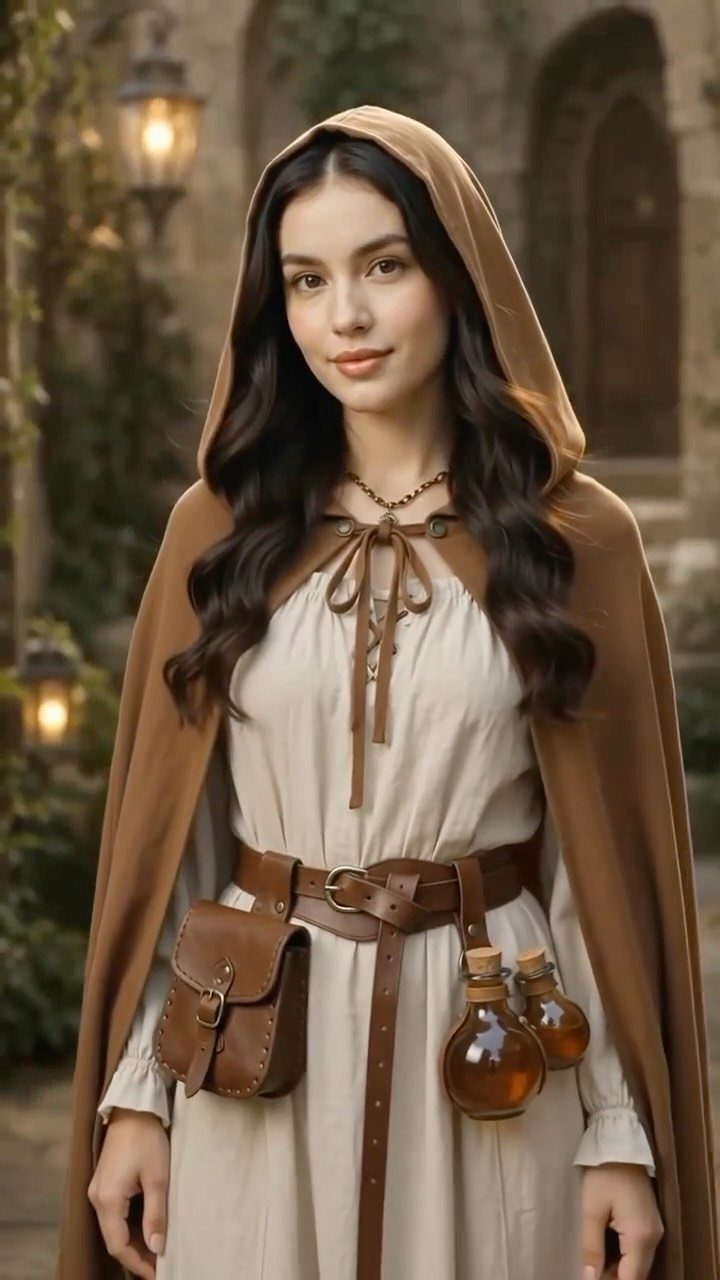
A hooded cloak covers a plain outfit when the weather turns or when you want to add mystery without changing clothes. This one is knee length or longer, wide enough to drape over the shoulders and arms without pulling tight.
Wool or a wool blend keeps you warm in cooler months, while a lighter cotton or linen cloak works for sun cover in summer. Choose brown, green, or dark gray if you want it to pair with multiple outfits.
Hang pouches and bottles from the belt underneath so the cloak moves freely.
12. Corset or Bodice
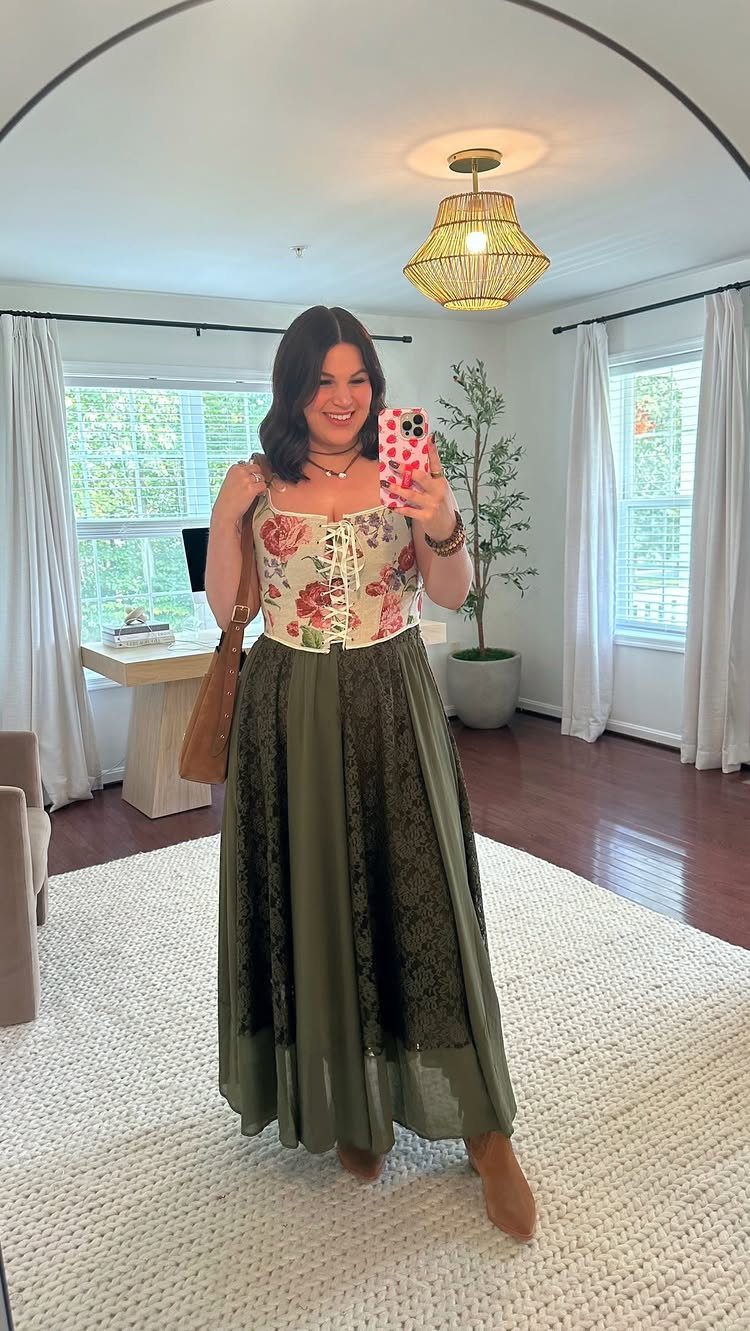
A lace-up bodice pulls in the waist and defines the shape of any Renaissance outfit, whether you are wearing it over a chemise, a blouse, or a fitted top.
Lacing gives you control over the fit, so you can adjust it as the day goes on.
The floral pattern here adds detail without extra bulk, and the long green skirt keeps the proportions balanced. Pair a patterned bodice with a solid skirt, or reverse it if you want the skirt to carry the color.
This piece works alone with a skirt or layered over a full dress.
Choosing Comfortable Fabrics
Linen and cotton breathe in summer heat and dry faster than synthetic blends when you start sweating. Both fabrics soften with wear, so a chemise or skirt that feels stiff at first will loosen up after a few hours outdoors.
Velvet photographs beautifully but traps heat, so save it for fall and winter fairs or for events held mostly indoors.
If you want the look of velvet in warm weather, choose a lighter fabric in the same color and let your accessories carry the richness.
A lightweight shawl or scarf is worth bringing even in summer. It covers your shoulders when the sun is high and adds a layer when you move into shade or when the temperature drops in the evening.
Boots keep dust off your feet better than sandals, but leather heats up fast. If you are walking gravel paths for hours, break them in before the fair.
Mixing and Matching Pieces
A bodice fits over almost anything: a peasant blouse, a fitted tunic, or a plain cotton chemise.
Swap out one piece and the whole outfit shifts.
A dark skirt and light chemise read as peasant or maiden, but add a patterned shawl and jewelry and it moves toward the gypsy side. The same bodice works for both.
Buy or make your bodice first, then build around it. A neutral bodice in brown, black, or forest green pairs with warm and cool colors, so you can rotate skirts and tops without needing a second one.
Pouches, belts, and scarves change the silhouette without adding bulk.
First Time Tips
Comfort matters more than accuracy. If your boots pinch or your bodice laces too tight, you will spend the day adjusting instead of enjoying the fair.
Wear your outfit around the house for an hour before the event.
Walk in it, sit in it, and bend over to tie your shoes. If something digs in or shifts out of place, fix it now rather than in a crowded field.
A full costume is not required to fit in. A simple skirt, blouse, and belt look intentional, and you can always add more pieces as you figure out what you like.
Bring a bag or pouch with a strap long enough to cross your body. Carrying things in your hands gets old fast, and pockets are rare in Renaissance clothing.
Frequently Asked Questions
What did females wear during the Renaissance?
Women wore layered clothing that included a chemise or tunic as the base, a fitted bodice or corset over it, and a full skirt that reached the ankle or floor.
The silhouette showed structure and station, with each layer serving a specific purpose in creating the final shape.
Where to get Renaissance faire outfits?
Costume shops, online retailers, and specialty medieval clothing stores carry complete Renaissance outfits and individual pieces like bodices, skirts, and cloaks.
Thrift stores and secondhand shops also work well for finding plain skirts, peasant blouses, and fabric you can layer or alter into a fair outfit.
Can you dress as a fairy to a Renaissance fair?
Yes, fairy costumes fit right in at Renaissance fairs. A few additions like wings, soft colors, and flowers are enough to shift the look without needing historical precision.
Can I mix and match pieces for a DIY women’s Renaissance costume?
Yes, a bodice fits over almost any peasant blouse, tunic, or chemise, and the same skirt pairs with different tops and accessories to shift the look.
Swap one piece and the whole outfit changes, so you can rotate skirts, tops, and shawls without buying a full costume set each time.