You will walk between monuments in July heat and step into air-conditioned galleries, which means breathable fabric that still looks polished counts more than picking one temperature.
How you dress depends on whether you are covering the Mall on foot or sitting down somewhere that expects more than shorts and sneakers.
A button-up in cobalt or poppy red layers under a blazer for meetings and rolls to short sleeves for a patio later, while neutral wide-leg trousers pair with multiple tops so one piece handles three situations.
1. Lightweight Jackets
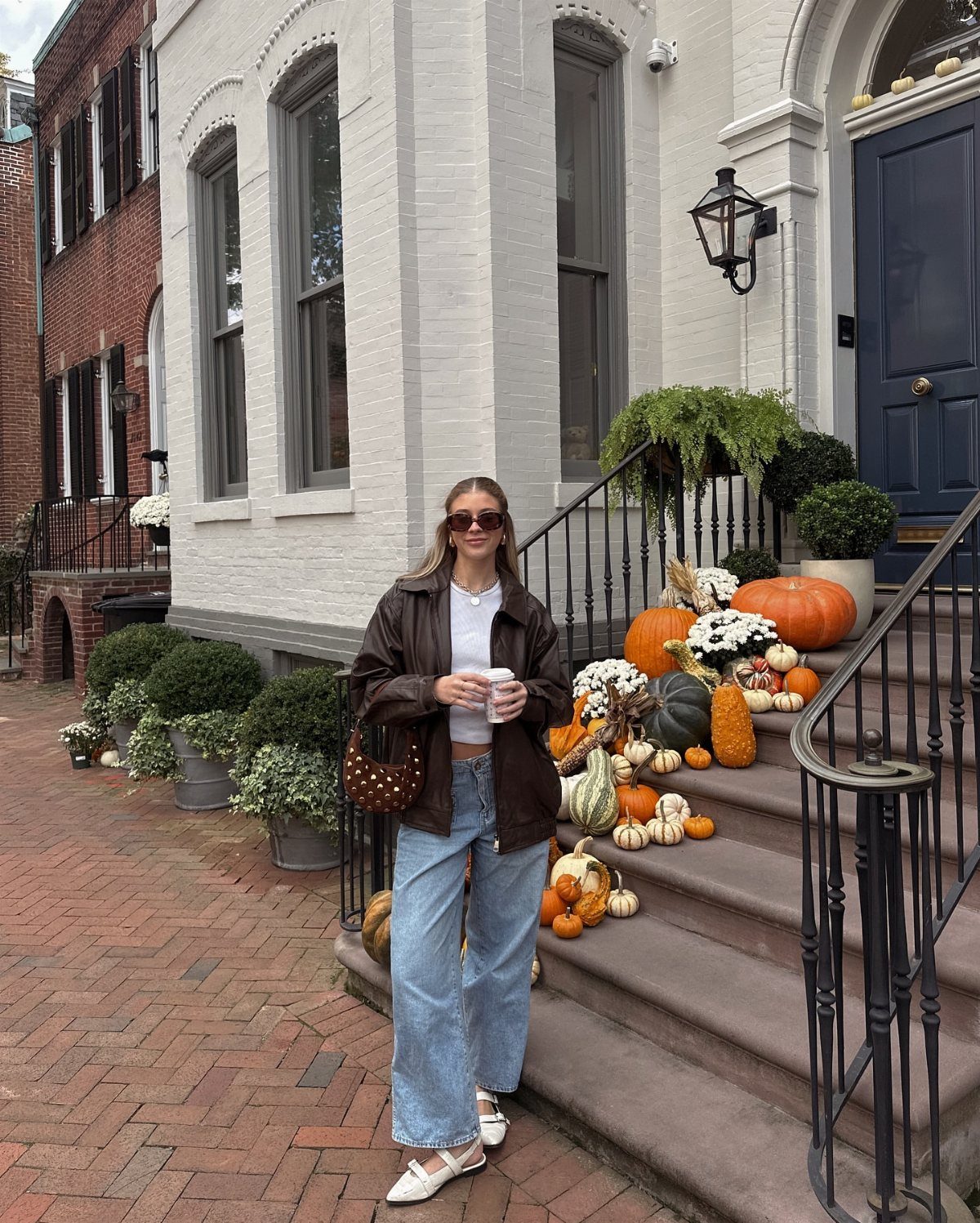
A faux-leather jacket in brown or tan adds structure without weight when the morning starts cool and the afternoon warms up.
Wear it with wide-leg jeans and a white tank or tee for walking between monuments, or swap the jeans for trousers when you’re headed to dinner after.
The jacket works over dresses too if you need one piece that covers the Metro and a nice meal.
White or neutral sandals keep it light. Black ankle boots shift it toward evening.
2. Button-Up Shirts
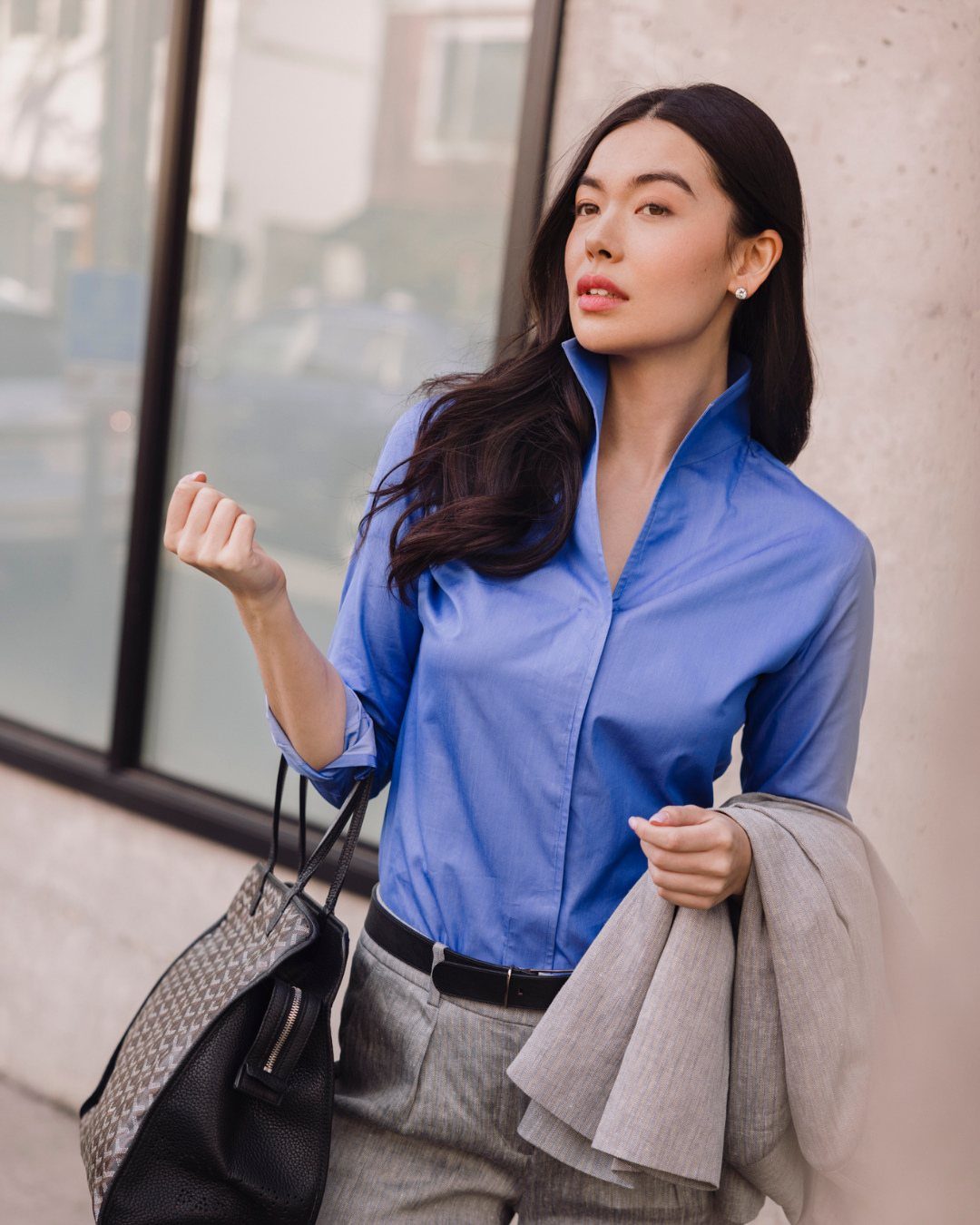
A button-up in a saturated color like cobalt or poppy red works harder than a blouse because you can knot it at the waist, tuck it half in, or leave it loose depending on the hour.
Layer a blazer over it for meetings or gallery visits, then drop the blazer and roll the sleeves for dinner on a patio.
Grey or khaki trousers keep the shirt the focus. A black belt and structured bag make it read as polished rather than casual, which matters if your day includes both the National Mall and a reservation.
3. Lightweight Dresses
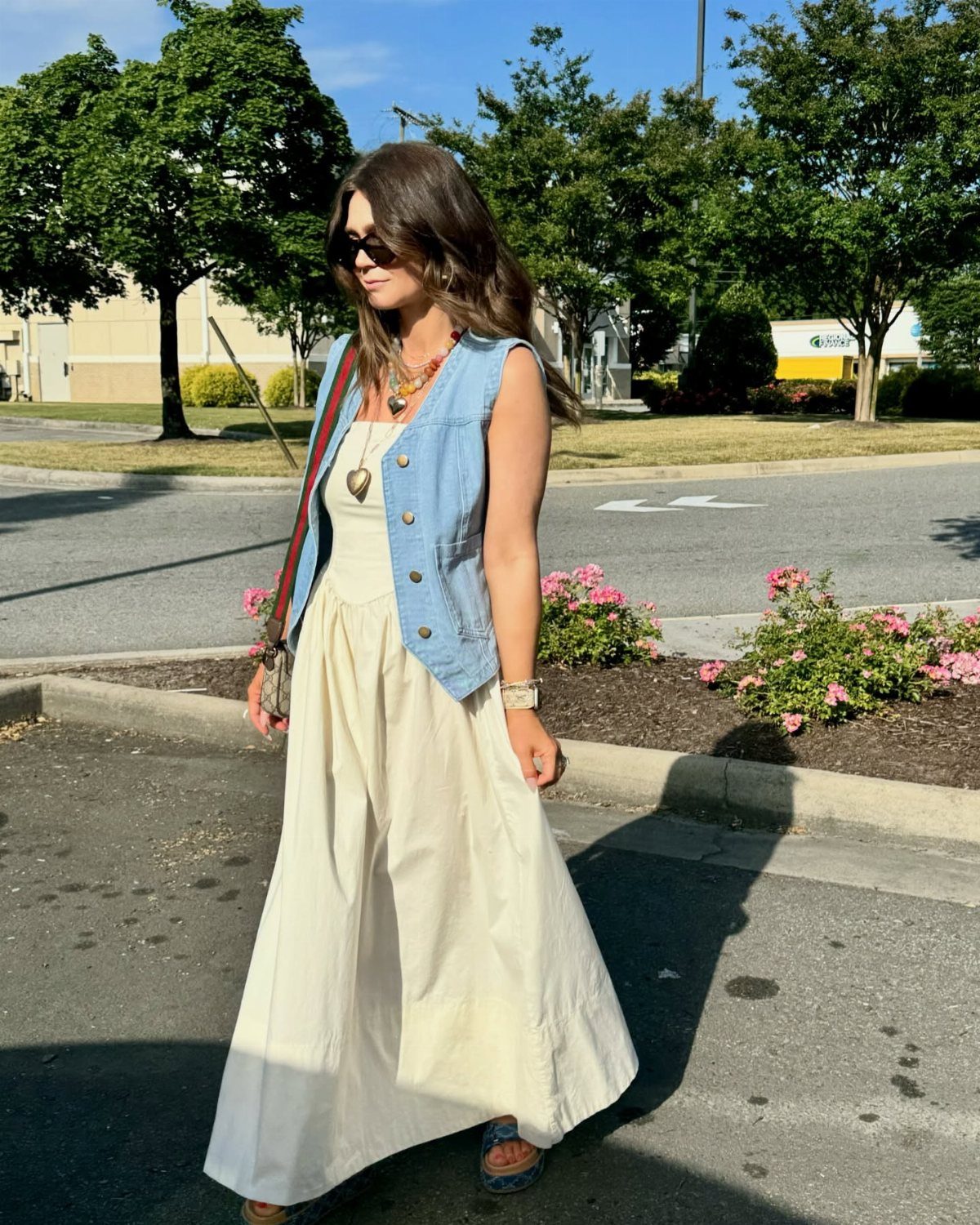
A long cotton or linen dress in neutral tones handles humidity better than separates and transitions from the Smithsonian to rooftop drinks with one change: swap sandals for block heels and add a crossbody bag.
The fabric needs to breathe, so avoid anything clingy or synthetic.
A denim vest layered over it adds coverage for overly air-conditioned museums and gives the look some shape if the dress runs loose. Sunglasses and a straw bag finish it for daytime and keep it relaxed.
4. Evening Dress
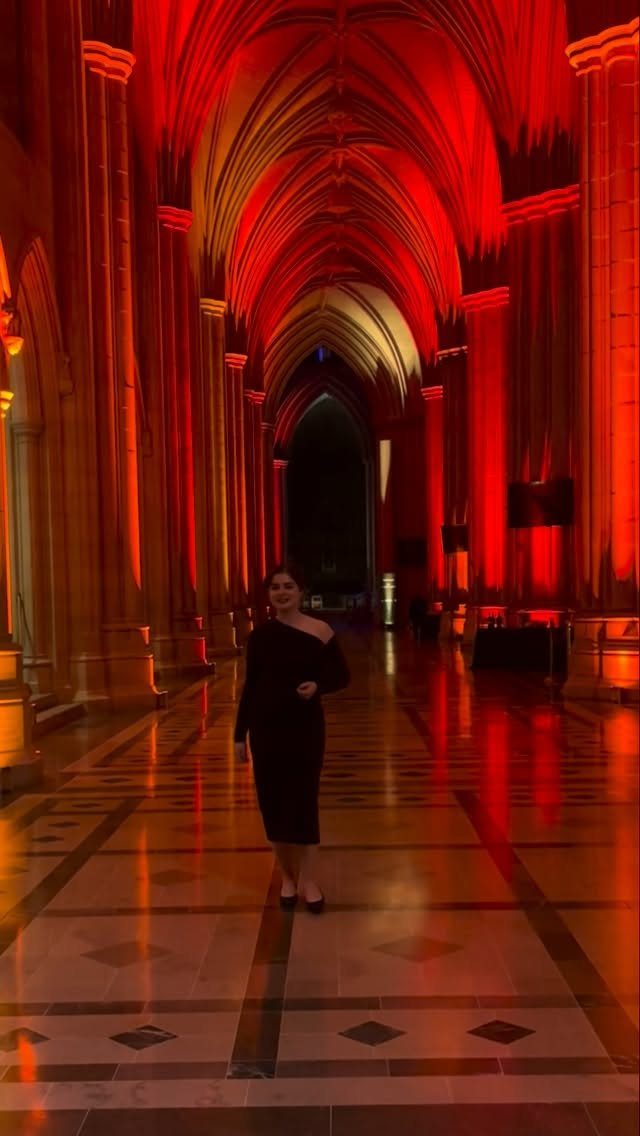
An off-the-shoulder dress in black handles formal dinners, theater nights, and any event where jeans won’t cut it.
The neckline keeps it from reading as a work dress, and black works in spaces with dramatic lighting or architecture where a print might compete.
The length can run midi or floor depending on how formal the night is.
Wear it with heels and a small clutch, and keep jewelry minimal so the neckline does the work. This is the one piece that turns a trip into an occasion.
5. Wide Leg Pants with a Crop Top
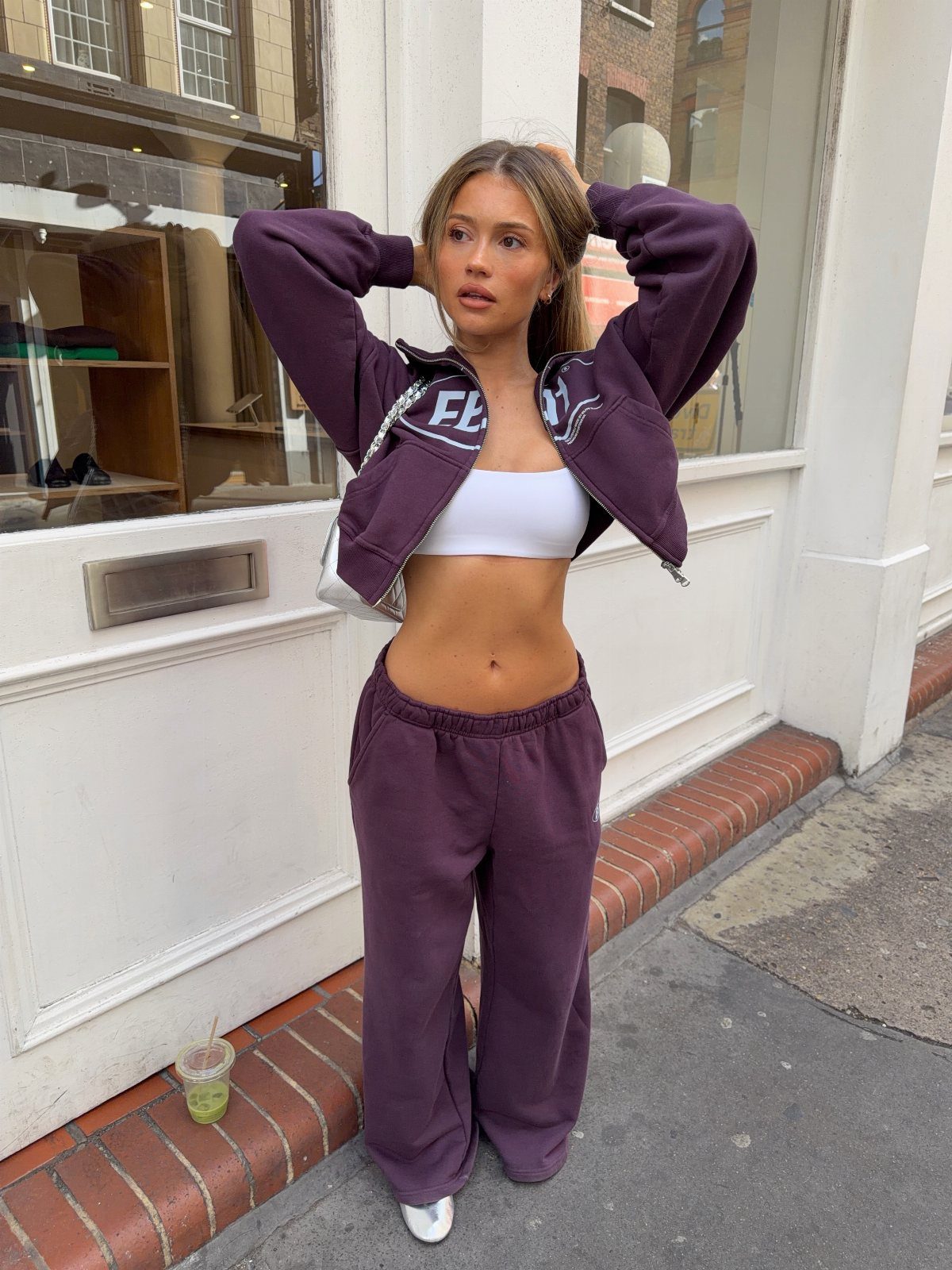
Wide-leg sweatpants in a color like purple or forest green with a white crop top give you comfort for a long day of walking and still look intentional.
The matching jacket completes the set for full coverage, or skip it and let the crop top show when the sun is out.
A crossbody bag in black or tan carries what you need and keeps your hands free. This works for casual sightseeing, outdoor markets, or any day where comfort matters more than polish.
6. Blazer with Wide-Leg Trousers

A black blazer over a white top with matching wide-leg trousers reads professional without feeling stiff, which makes it right for work trips or any itinerary that includes both meetings and monuments.
The trousers give you length and movement, and the blazer adds structure if your day involves anything more formal than a museum.
Pointed flats or low block heels keep you comfortable for walking.
A tote or structured handbag in black or cognac holds everything and still looks intentional. This is the outfit that works when you need to look put together from morning through dinner.
7. Patterned Blouse with White Trousers
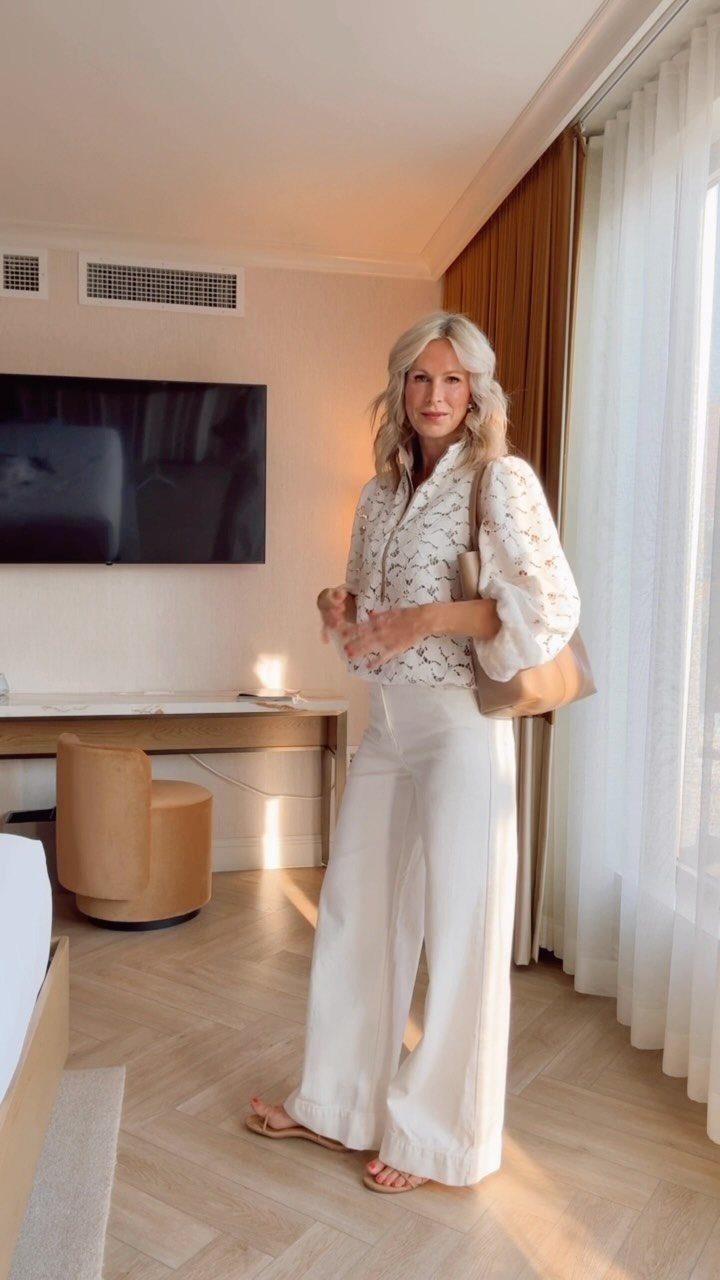
A white blouse with subtle pattern keeps things fresh without competing with other prints, and pairing it with wide-leg white trousers stretches the line from shoulder to hem so you look taller.
This works for lunch meetings, afternoon gallery visits, or any day that needs polish but not formality.
Tan sandals and a matching bag warm up the white and keep it from reading bridal. A cognac belt breaks up the length if the silhouette feels too continuous, though the monochrome look already does enough on its own.
8. Wide-Leg Jeans with Pointed Heels
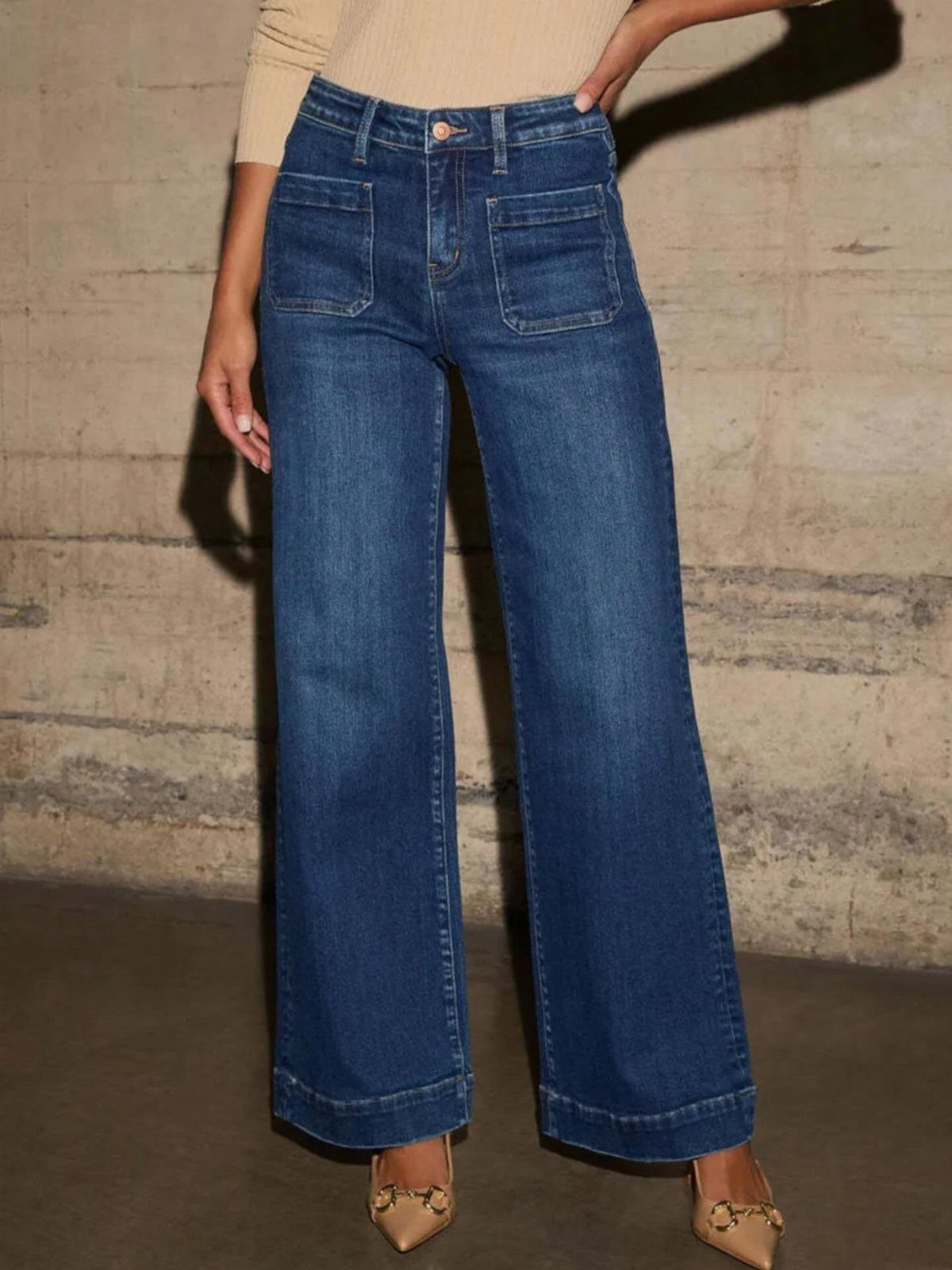
High-waisted wide-leg jeans in medium or dark blue denim give you length through the leg, and pointed heels extend that line further so the proportions stay balanced.
The beige top keeps the focus on the jeans and works tucked in to show where the waist sits.
This handles dinner reservations, evening walks, or any outing where jeans are fine but sneakers aren’t.
The heels add formality without requiring a dress, and you can swap them for loafers during the day if your itinerary includes more walking than sitting.
9. Patterned Sweater and Mini Skirt
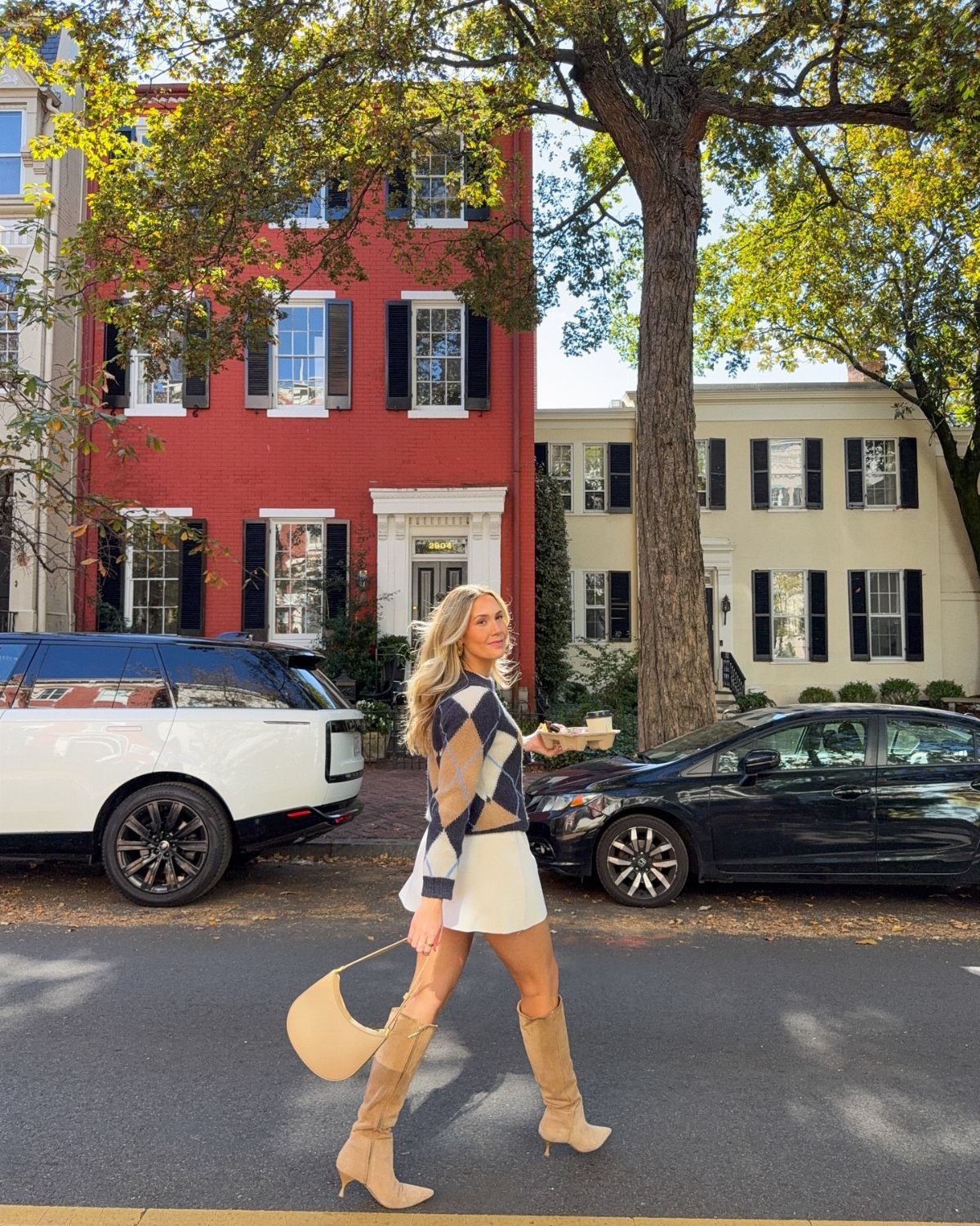
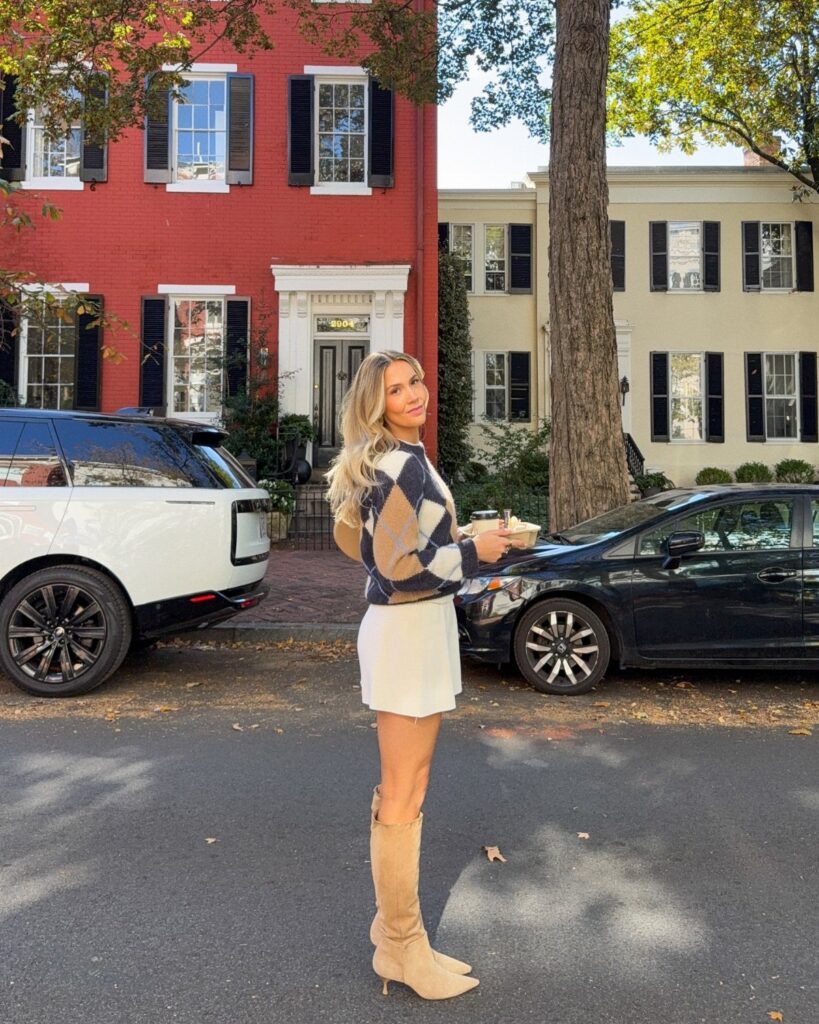
A patterned knit sweater over a white mini skirt works when fall weather arrives and bare legs with boots still feel reasonable.
The diamond or geometric pattern adds visual interest without requiring jewelry, and the white skirt keeps the bottom half clean so the sweater can carry the detail.
Tan knee-high boots finish the hemline and add warmth.
This suits neighborhood walks, brunch spots, or casual daytime plans where comfort and style both matter. The skirt length keeps it young, so if that feels too short, swap it for a midi and let the boots disappear underneath.
10. Denim Skirt and Cow-Print Boots
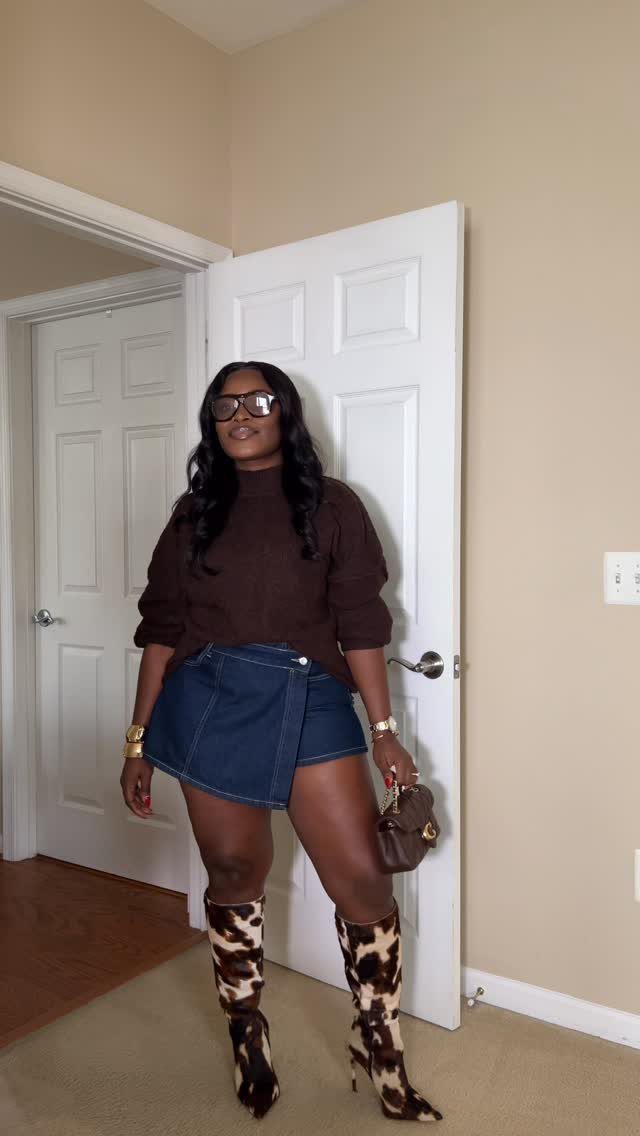
Cow-print boots turn a basic denim skirt into a deliberate choice instead of a default one.
The brown long-sleeve top bridges the tan and black in the boots so the print doesn’t float on its own, and keeping the rest simple lets the boots be the statement.
This works for casual outings where you want texture and personality without adding accessories.
The skirt can be any wash of denim, though darker blue makes the boots stand out more. If the print feels too bold, tan or cognac boots do the same job with less contrast.
11. Denim Shorts with a Comfortable Top
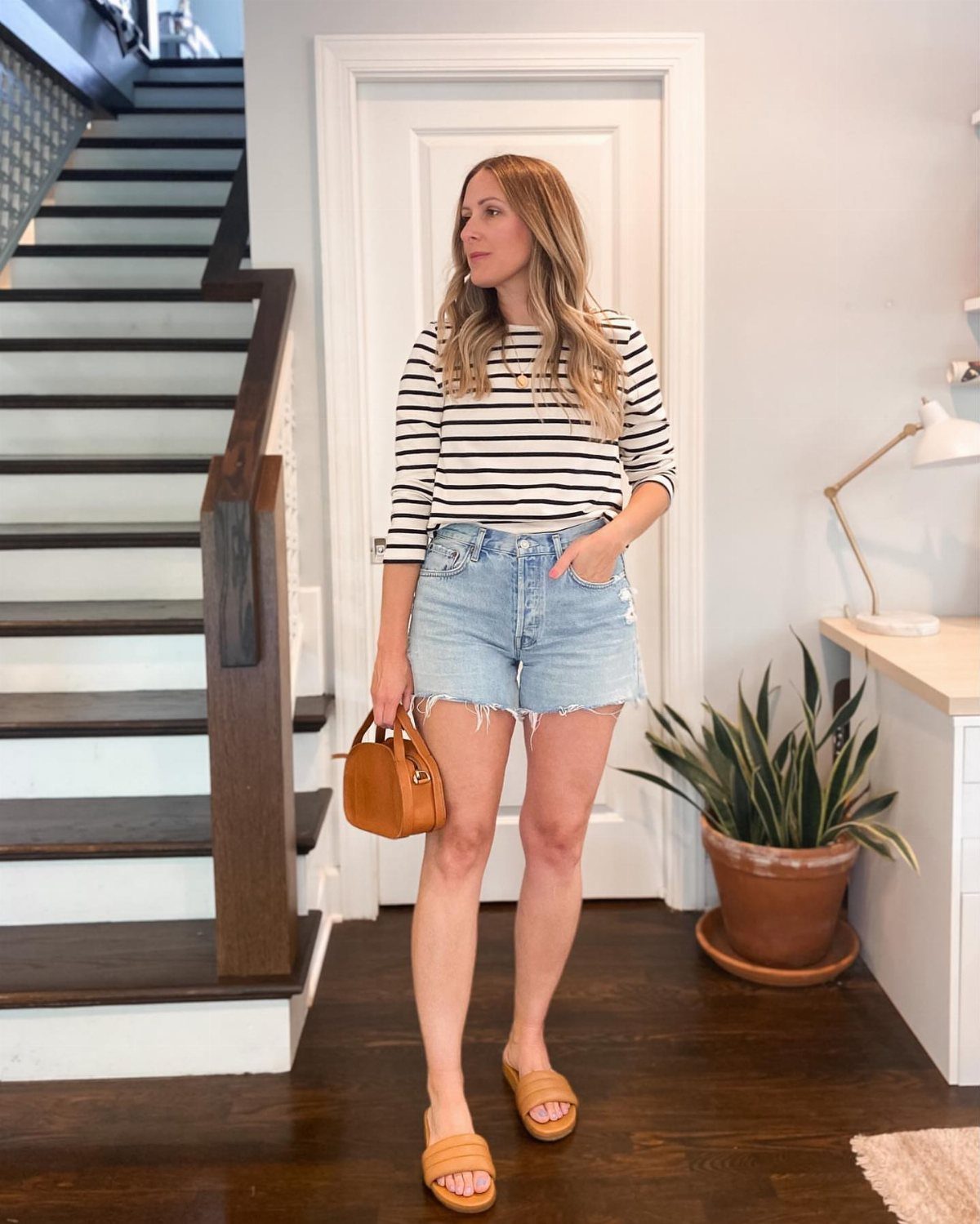
Denim shorts with a striped long-sleeve shirt handle summer heat and aggressive air conditioning at the same time. The stripes add pattern without requiring a second piece, and tan sandals keep it casual enough for walking tours or outdoor markets.
Denim shorts paired with a comfortable top are the outfit for hot days when your plans involve more walking than sitting.
Roll the sleeves if it gets warmer, or swap the sandals for white sneakers if your route includes cobblestones or long stretches on foot.
Weather Considerations
July and August bring heat and humidity that make synthetic fabrics cling and natural fibers the better bet.
Thunderstorms arrive without much warning, so a lightweight jacket that fits in a bag keeps you dry without adding bulk when the sky clears.
Indoor spaces run cold.
Museums and Metro cars blast air conditioning year-round, and the chill inside can be jarring after the humid heat. A layer you can pull on and off handles that swing better than committing to one weight for the whole day.
Check the forecast the morning you leave, not the night before. Summer weather shifts fast, and what looked clear at dinner can turn into rain by breakfast.
Packing Strategy
Neutral trousers in grey, khaki, or black pair with multiple tops, so one pair does the work of three.
Shoes weigh more than clothes, so choose carefully.
Two pairs, one for walking and one for evening, handle more situations than four pairs that each do one thing. If a piece only works for a single occasion, leave it home and build around what repeats.
The key to your (or anyone’s) travel wardrobe is to color coordinate and let your accessories do most of the work.
— Glamour
Footwear Importance
Daily step counts in D.C. run around 15,000, most of it on pavement, stone, and sidewalk. The wrong shoes make every mile longer, and by the second day, blisters or sore arches will dictate your itinerary instead of your plans.
Pack 2 pairs: sneakers or supportive sandals for daytime walking, and a dressier flat or low block heel for dinners and evening plans.
Each pair covers a specific need, and together they handle everything from the National Mall to a rooftop bar without forcing a compromise.
Frequently Asked Questions
What to wear going out in DC?
Black off-the-shoulder dresses work for sit-down dinners and theater performances, and dark denim with heels bridges the gap when the venue welcomes jeans but expects polish.
A blazer with wide-leg trousers works for anything that needs polish, from work events to nice restaurants. The city leans polished rather than casual after hours, so swap daytime sandals for heels or structured flats and add a small bag.
What makes a woman look wealthy?
Tailored pieces in neutral tones like a black blazer over wide-leg trousers or a long linen dress in beige read as expensive because the fit and fabric do the work instead of logos or embellishment.
Structure matters more than pattern, so a well-cut jacket or high-waisted trousers with clean lines will look more polished than busy prints.
Keeping accessories minimal and sticking to one or two quality pieces instead of layering everything at once keeps the focus where it belongs.
Is it worth going to Washington DC in December?
December brings cold temperatures and wind, but layering makes it manageable and the city looks striking under snow.
Winter means fewer crowds at monuments and museums, though you’ll need a warm coat, scarves, and waterproof boots to handle the weather. The holiday season adds events and decorations, and indoor attractions stay just as accessible when the temperature drops.